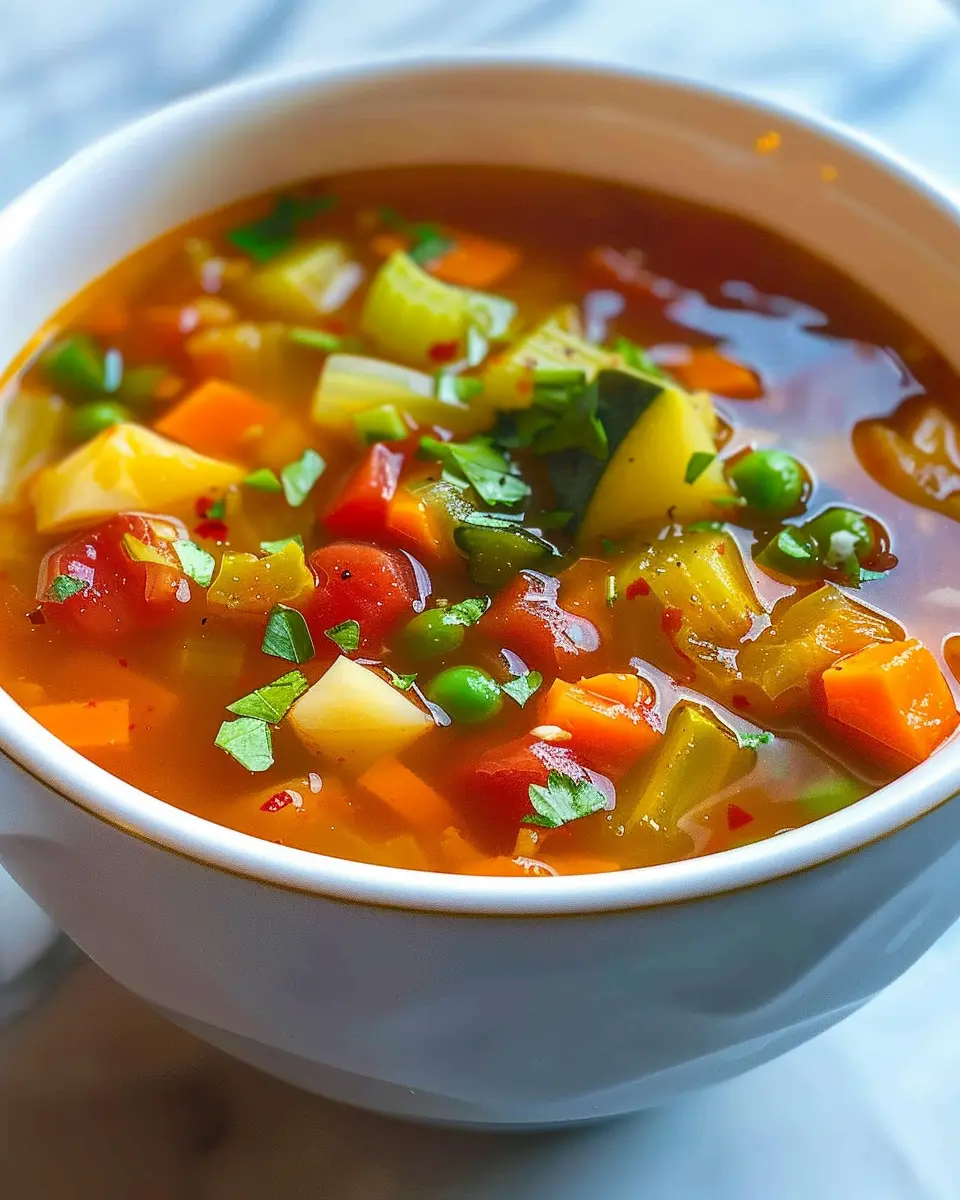
Introduction to Vegetable Soup
When life gets hectic, it can be a challenge to maintain a healthy and balanced diet. As busy young professionals juggling multiple responsibilities, preparing nutritious meals often falls to the bottom of our to-do lists. That’s where vegetable soup comes to the rescue! This delightful dish is not just a warm and soothing option; it’s also an incredibly versatile and easy solution for those frantic weeknights.
Why Vegetable Soup is a Comforting Choice
Vegetable soup embodies comfort in a bowl. Imagine returning home after a long day, the aroma of fresh veggies simmering on the stove instantly lifts your spirits. Packed with vitamins, minerals, and fiber, it supports your overall health, keeping you energized and focused. According to the CDC, only 1 in 10 adults are getting enough fruits and vegetables in their diet. By incorporating hearty vegetable soup into your routine, you can significantly boost your daily intake!
- Nutrient-Rich: Soups can be loaded with seasonal veggies, making it easy to tailor them to your preferences while ensuring that you are consuming a rich array of nutrients.
- Easy Meal Prep: You can whip up a big batch of vegetable soup on a Sunday, portion it out, and have several ready-to-eat meals for the week. This method saves time and ensures that you have something wholesome on hand.
Have you ever thought about how leftovers can be your best friend? Vegetable soup keeps well in the fridge, and the flavors often deepen over time, making day two even tastier. If you’re curious about the economic aspect, consider this: a homemade pot of soup can cost you far less than takeout or pre-packaged meals, especially when utilizing seasonal produce.
For more insights into the benefits of homemade meals, check out this article from the Mayo Clinic.
In the coming sections, we will dive deeper into specific recipes, tips for customization, and how to get the most out of your kitchen time. Let’s explore the delightful world of vegetable soup together!
Ingredients for Vegetable Soup
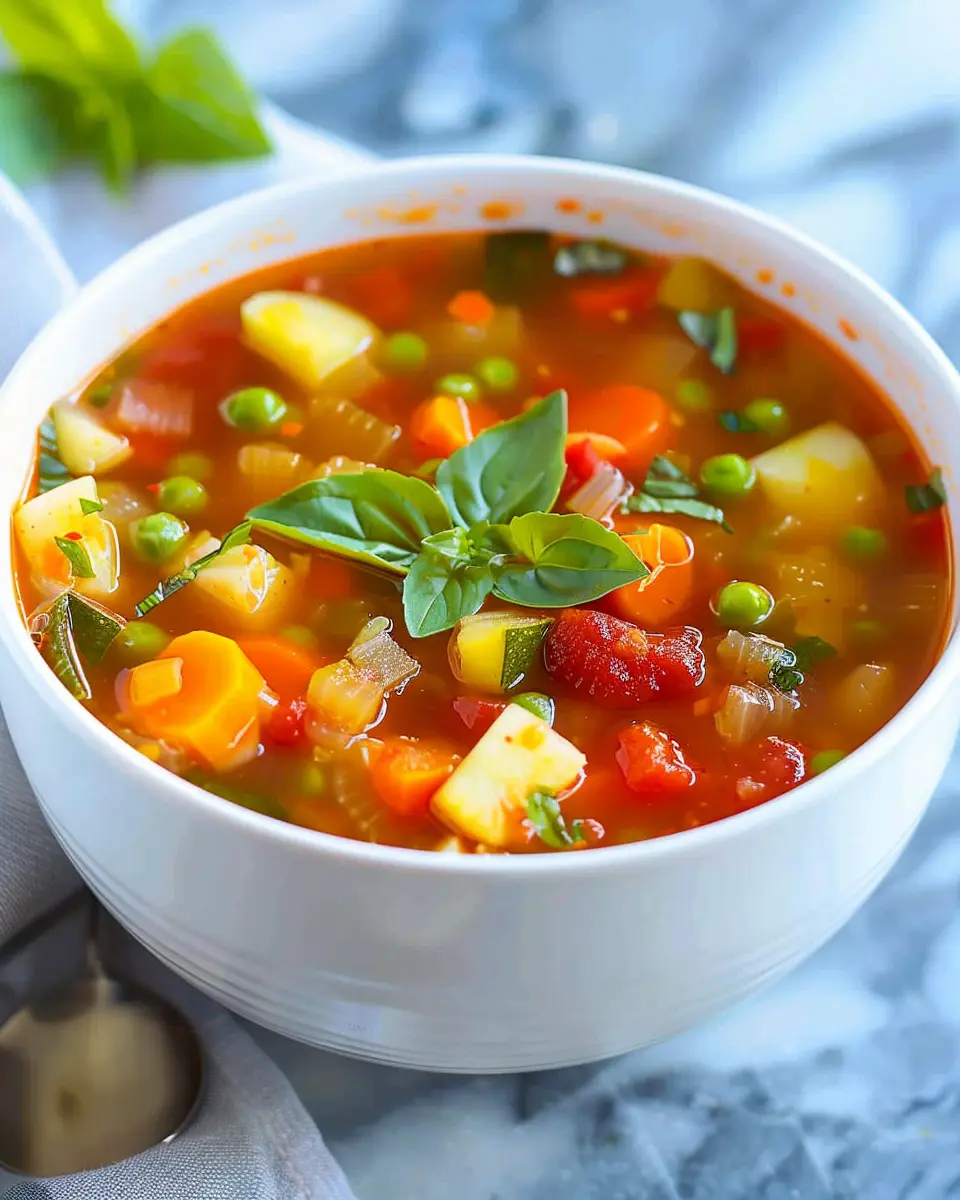
When it comes to making a delicious vegetable soup, the ingredients you choose can truly elevate the dish. Here’s what you’ll need to create a vibrant and nutritious bowl of goodness:
- Fresh Vegetables: Start with a mix of your favorites—carrots, celery, onions, and bell peppers are great staples. Consider adding zucchini or spinach for extra flavor.
- Broth: Use either vegetable or chicken broth as a base. It adds depth and richness. Homemade broth can be a game-changer; check out how to make it here!
- Protein Options: For an added kick, try adding diced turkey bacon or chicken ham for a savory touch. If you prefer a vegetarian option, beans like chickpeas or lentils work wonderfully.
- Spices and Herbs: Fresh or dried herbs like basil, thyme, and parsley can brighten the flavors. Don’t forget some salt and pepper to taste!
With these ingredients, you’re well on your way to crafting a comforting and tasty vegetable soup. Happy cooking!
Preparing Vegetable Soup
Making a delightful vegetable soup at home is not just a way to feed your body with nutritious goodness; it’s also an opportunity to create a warm, hearty dish that can elevate any evening. As you gather your ingredients, let’s walk through the steps together for a comforting bowl of goodness.
Sauté the base ingredients
The foundation of any great soup begins with the aromatics. Grab a large pot and turn on the heat. Add some olive oil (or any cooking oil of your choice) and let it warm up. Then, throw in:
- Onions (finely chopped)
- Garlic (crushed or minced)
- Carrots (diced)
- Celery (chopped)
As they cook, the fruits of your labor will begin to fill the kitchen with mouthwatering aromas. This step is crucial because sautéing your vegetables not only develops their flavors but also enhances the overall essence of your vegetable soup. After about 5 minutes, the vegetables should be soft and slightly translucent.
Add lentils, tomatoes, and broth
Once your base is ready, it’s time to introduce the heartiness. Add in some dried lentils (they’re not only packed with protein but also provide a fantastic texture) and stir them gently into the mix. It’s an excellent way to make the vegetable soup satisfying and filling.
Next, pour in:
- Canned diced tomatoes (about 1 can)
- Vegetable broth (4 cups for a flavorful base)
Feel free to swap in homemade broth if you have it on hand! You can even make your own broth in advance for a deep, rich flavor. For an extra twist, consider adding a splash of lemon juice which can brighten up the flavors beautifully. Bring everything to a boil, then reduce the heat.
Season and simmer for flavorful goodness
Having let it simmer for about 20-25 minutes (just enough time to cook the lentils), it’s time to season your vegetable soup. This is where you can truly personalize the dish. Here are some common seasonings to consider:
- Salt and pepper (to taste)
- Bay leaves
- Thyme or rosemary (dried or fresh)
- Crushed red pepper flakes (if you like a little heat)
Allow the soup to continue simmering; the longer, the better! This will help deepen the flavor. Did you know that soups can often taste even better the next day? Letting the soup sit overnight allows the flavors to meld wonderfully. If you’re curious about the science behind this, check out this insightful article from Harvard Health.
Introduce the greens
As you get closer to serving time, it’s crucial to include some greens for color and nutrition. Chopped spinach, kale, or even Swiss chard work beautifully. Stir them into the pot during the last 5-10 minutes of cooking. The greens will wilt down quickly, contributing a lovely texture and a pop of color to your vegetable soup.
Adjust seasoning before serving
Before you serve this delicious creation, take a moment to taste and adjust the seasoning if needed. Add a pinch more salt, a dash of pepper, or perhaps another herb to really make those flavors sing. If you’re feeling adventurous, a sprinkle of fresh herbs, like basil or parsley, can truly elevate the presentation of your vegetable soup.
And there you have it! With these steps, you’re well on your way to serving a delightful meal that warms the soul. Whether shared with friends or enjoyed solo after a long day, homemade vegetable soup is a true comfort food. Happy cooking!
Variations on Vegetable Soup
Add protein: Beans or turkey bacon options
Enhancing your vegetable soup with protein is a great way to make it more satisfying. Consider adding a can of beans—like black beans or chickpeas—drained and rinsed for a hearty addition. If you prefer a meat option, try diced turkey bacon for a smoky flavor without the extra grease. These proteins not only boost the nutritional profile but also add varying textures that make every spoonful a delight.
Spice it up: Different herbs and spices to try
Don’t underestimate the power of spices! Elevating your soup can come down to the seasonings you choose. Here are some flavorful options:
- Thyme: Adds a subtle earthy flavor that complements vegetables beautifully.
- Cumin: Provides a warm, nutty essence that’s excellent if you’re leaning towards a Mediterranean twist.
- Basil: Fresh or dried, basil can brighten up your vegetable soup and add a summery feel.
Feel free to experiment! A sprinkle of red pepper flakes can introduce a fantastic kick, while a touch of garlic powder offers warmth and depth.
Swap veggies: Seasonal vegetables for fresh flavor
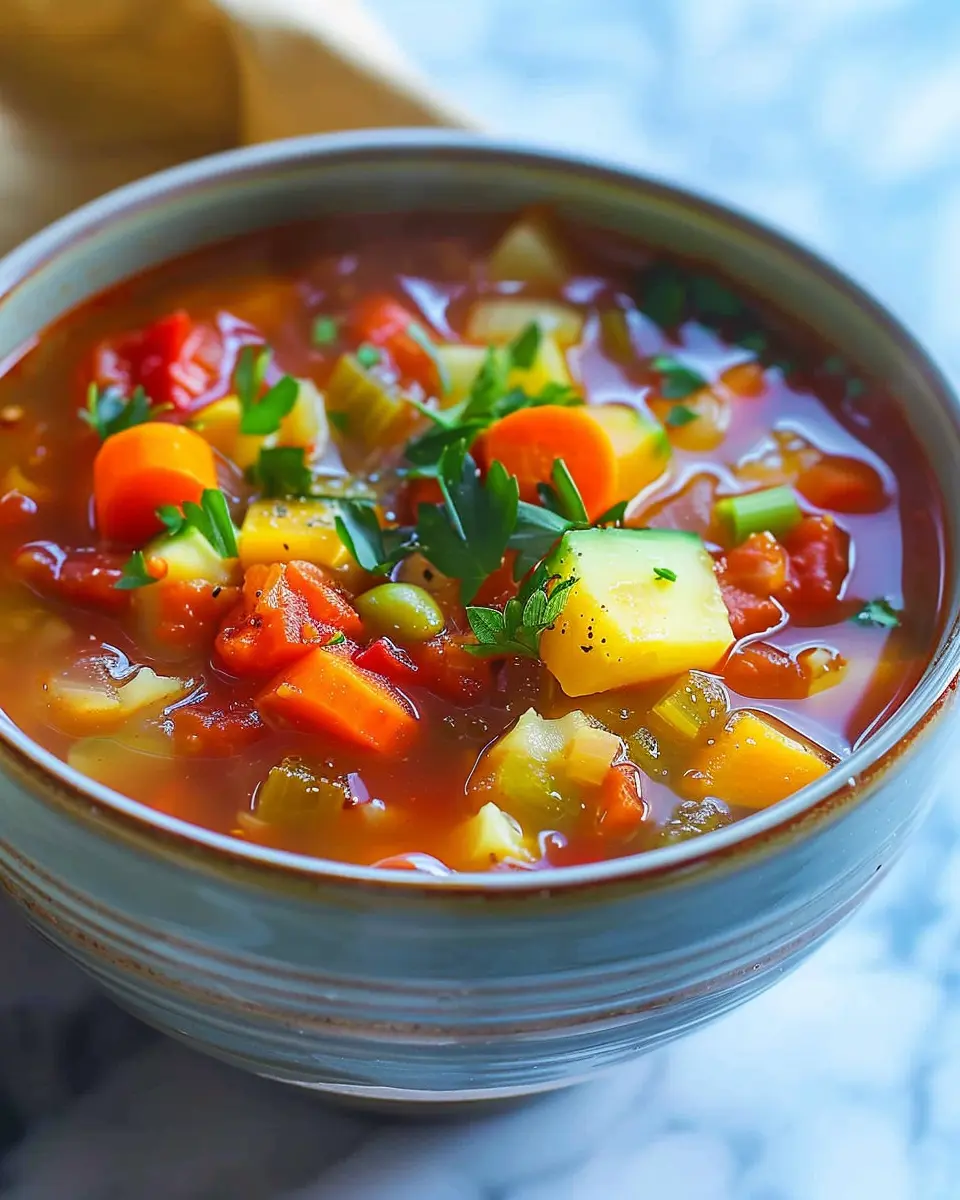
One of the joys of making vegetable soup is the ability to change up the veggies based on what’s in season. In spring, load up on peas and asparagus. In summer, reach for zucchini and fresh tomatoes for a burst of flavor. Fall is ideal for adding sweet potatoes or butternut squash, while winter calls for heartier greens like kale or collards. Embracing seasonal produce not only gives you freshness but also supports local farmers. Need some ideas? Check out resources like Seasonal Food Guide to plan your next batch.
With these variations, you can whip up a pot of vegetable soup that’s uniquely yours, perfect for those chilly evenings or meal prep!
Cooking Tips and Notes for Vegetable Soup
How to Properly Store and Reheat Leftovers
When you have leftover vegetable soup, storing it correctly is crucial for maintaining its flavor and freshness. Let it cool to room temperature before transferring it to airtight containers. In the fridge, it can last for about 3-5 days. For longer storage, consider freezing it in individual portions for up to three months—just make sure to leave some space in the container, as liquids expand when frozen.
When reheating, the stovetop is your best friend. Gently warm your soup over medium heat, stirring occasionally until it’s heated through. If the soup thickens too much after refrigeration, simply add a splash of vegetable broth or water to bring it back to life.
Tips for a Thicker Soup
If you prefer a heartier vegetable soup, consider these tips:
-
Blend a portion of the soup: Use an immersion blender or a standard blender to puree a part of the soup. This adds a creamy texture without the need for dairy.
-
Add starchy vegetables: Including ingredients like potatoes, sweet potatoes, or lentils can naturally thicken your soup.
-
Incorporate a roux or slurry: Mix equal parts flour and water (or use cornstarch), and stir it into the simmering soup for added thickness.
With these techniques, your vegetable soup will be both nutritious and satisfying. Looking for more tips? Check out The Spruce Eats for expert advice on soup making!
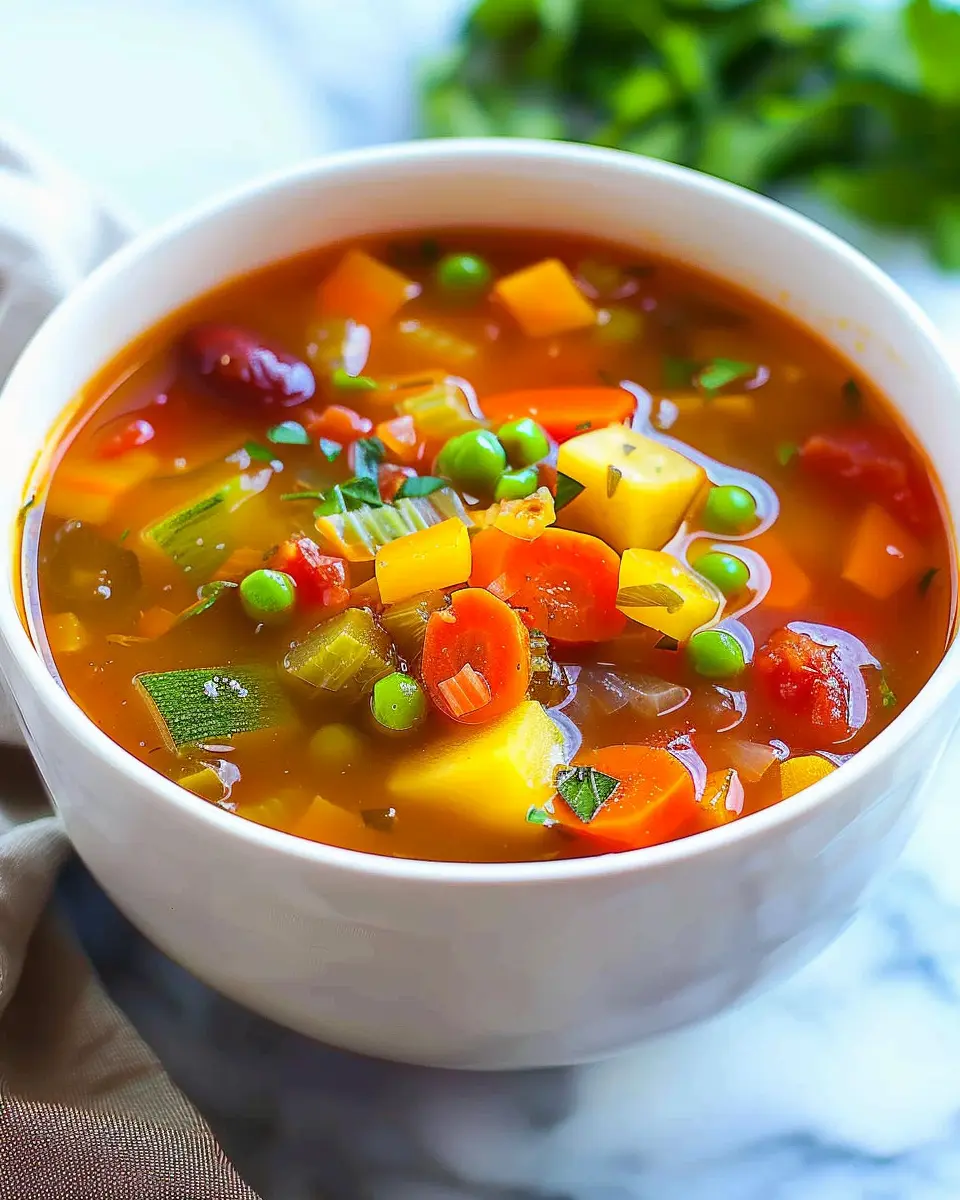
Serving suggestions for Vegetable Soup
When it comes to enjoying a warm bowl of vegetable soup, the right accompaniments can take your meal to the next level. Let’s explore some delicious options.
Complementing sides: Bread, crackers, or salads
Pair your vegetable soup with crusty bread, crunchy crackers, or a refreshing salad for a balanced dining experience. A loaf of warm sourdough or a slice of hearty whole-grain bread can dip beautifully into the soup, soaking up all those rich flavors. If you prefer something a little lighter, a side salad with greens, cherry tomatoes, and a light vinaigrette will add a crisp contrast to the warm soup.
Ideal garnishes: Fresh herbs or cheese options
Garnishing your vegetable soup isn’t just about looks; it enhances the flavor too! Fresh herbs like basil, parsley, or cilantro can brighten each spoonful. If you enjoy a creamy touch, consider topping it with shredded cheese, such as mozzarella or Parmesan, for a delightful finish. Experimenting with these garnishes can elevate a simple soup into a memorable culinary experience.
For more ideas on pairings and garnishes, check out this article from Food Network for inspiration!
Time breakdown for Vegetable Soup
Preparation time
Before you get into the heart of making your delicious vegetable soup, plan for about 15 to 20 minutes. This includes washing, chopping, and gathering all your fresh veggies and herbs. Having everything prepped before you start cooking makes the process smooth and enjoyable.
Cooking time
Once you’re ready to roll, the actual cooking will take around 30 to 40 minutes. This time allows the flavors to meld beautifully while the vegetables soften. You’ll want to check in occasionally, giving everything a gentle stir and adjusting the heat as needed.
Total time
In total, you’re looking at about 45 to 60 minutes from start to finish. This makes it a perfect option for weeknight dinners or meal prepping for the week. If you’re curious about nutrition, check out this article on the health benefits of homemade vegetable soup which supports a balanced diet (source: Mayo Clinic).
Your comforting, nutritious bowl of vegetable soup is just a little bit of time away!
Nutritional Facts for Vegetable Soup
When you’re sipping on a warm bowl of vegetable soup, you may wonder about its nutritional profile. Here’s a quick look at what you’re really enjoying:
Calories
A serving of vegetable soup typically contains around 80–100 calories, making it a fantastic option for those looking to maintain their caloric intake while still enjoying delicious flavors.
Protein
Despite being primarily plant-based, a hearty bowl can still offer about 3–5 grams of protein. This is especially true if you add in some legumes or Turkey Bacon for an extra boost!
Sodium
Watch your sodium levels! The average serving might contain between 500–800 mg of sodium, depending on how you season it. Opt for low-sodium broth to keep this in check while still enjoying robust flavors.
For more details on how to enhance your soup’s nutrition, take a look at sources like the USDA FoodData Central or Healthline for research-backed advice.
FAQs about Vegetable Soup
Can I freeze vegetable soup?
Absolutely! Freezing vegetable soup is a fantastic way to preserve its freshness for a longer period. Just make sure you let the soup cool completely before transferring it to airtight containers or freezer bags. Remember to leave some space at the top of your container, as the soup will expand when frozen. It can be stored for about 3-4 months. When you’re ready to enjoy it again, simply thaw it in the refrigerator overnight and reheat on the stove.
How long does vegetable soup last in the fridge?
If you store your vegetable soup properly in an airtight container, it should remain good in the fridge for about 3 to 5 days. To ensure you get the best flavor and freshness, try to consume it within this timeframe. If you’re looking for more tips on food storage, the USDA provides great guidelines.
What can I substitute for vegetable broth?
If you don’t have vegetable broth on hand, don’t worry! Here are a few great alternatives you can use:
- Homemade Broth: If you have leftover veggie scraps, you can easily simmer them in water for a flavorful broth.
- Chicken Broth: This is a great alternative if you’re not strictly vegetarian. It adds a nice depth of flavor.
- Water with Seasoning: Sometimes, just adding basic seasonings like garlic powder, onion powder, or even a splash of soy sauce can enhance plain water to make it more flavorful.
Feel free to get creative and adjust these substitutions based on your personal taste. Have questions or tips? I’d love to hear from you in the comments!
Conclusion on Vegetable Soup
In conclusion, vegetable soup is much more than just a healthy dish; it’s a celebration of flavors, nutrients, and creativity. With its customizable nature, you can easily incorporate seasonal vegetables and proteins like Turkey Bacon or Chicken Ham, making it a delightful and guilt-free meal.
Remember, the beauty of this dish lies in its simplicity—perfect for a busy weeknight or comforting cold weekend. So, the next time you find yourself craving warmth, consider preparing this vibrant soup. Share your creations with friends or enjoy it solo; either way, you’ll be nourishing both body and soul. For more cooking tips and inspiration, check out resources from The Spruce Eats or BBC Good Food. Happy cooking!
PrintVegetable Soup: Easy Comfort in Every Bowl with Turkey Bacon

A warm and hearty vegetable soup with the savory addition of turkey bacon.
- Prep Time: 10 minutes
- Cook Time: 30 minutes
- Total Time: 40 minutes
- Yield: 6 servings
- Category: Soup
- Method: Stovetop
- Cuisine: American
- Diet: None
Ingredients
- 4 slices turkey bacon
- 1 tablespoon olive oil
- 1 medium onion, chopped
- 2 carrots, sliced
- 2 celery stalks, chopped
- 3 cloves garlic, minced
- 1 can (14.5 oz) diced tomatoes
- 4 cups vegetable broth
- 1 teaspoon dried thyme
- 1 teaspoon dried basil
- 2 cups mixed vegetables (such as peas and corn)
- Salt and pepper to taste
Instructions
- In a large pot, cook the turkey bacon over medium heat until crispy. Remove and chop.
- Add olive oil to the pot, followed by onion, carrots, and celery. Sauté until softened.
- Stir in garlic, and cook for an additional minute.
- Add diced tomatoes, vegetable broth, thyme, and basil. Bring to a boil.
- Reduce heat and add the mixed vegetables, cooking for 10-15 minutes.
- Return the turkey bacon to the pot. Season with salt and pepper before serving.
Notes
- This soup can be made a day in advance and tastes even better the next day.
- Feel free to add other vegetables like spinach or zucchini.
Nutrition
- Serving Size: 1 cup
- Calories: 180
- Sugar: 4g
- Sodium: 500mg
- Fat: 6g
- Saturated Fat: 1g
- Unsaturated Fat: 4g
- Trans Fat: 0g
- Carbohydrates: 24g
- Fiber: 5g
- Protein: 8g
- Cholesterol: 10mg