Introduction to Vegetable Soup
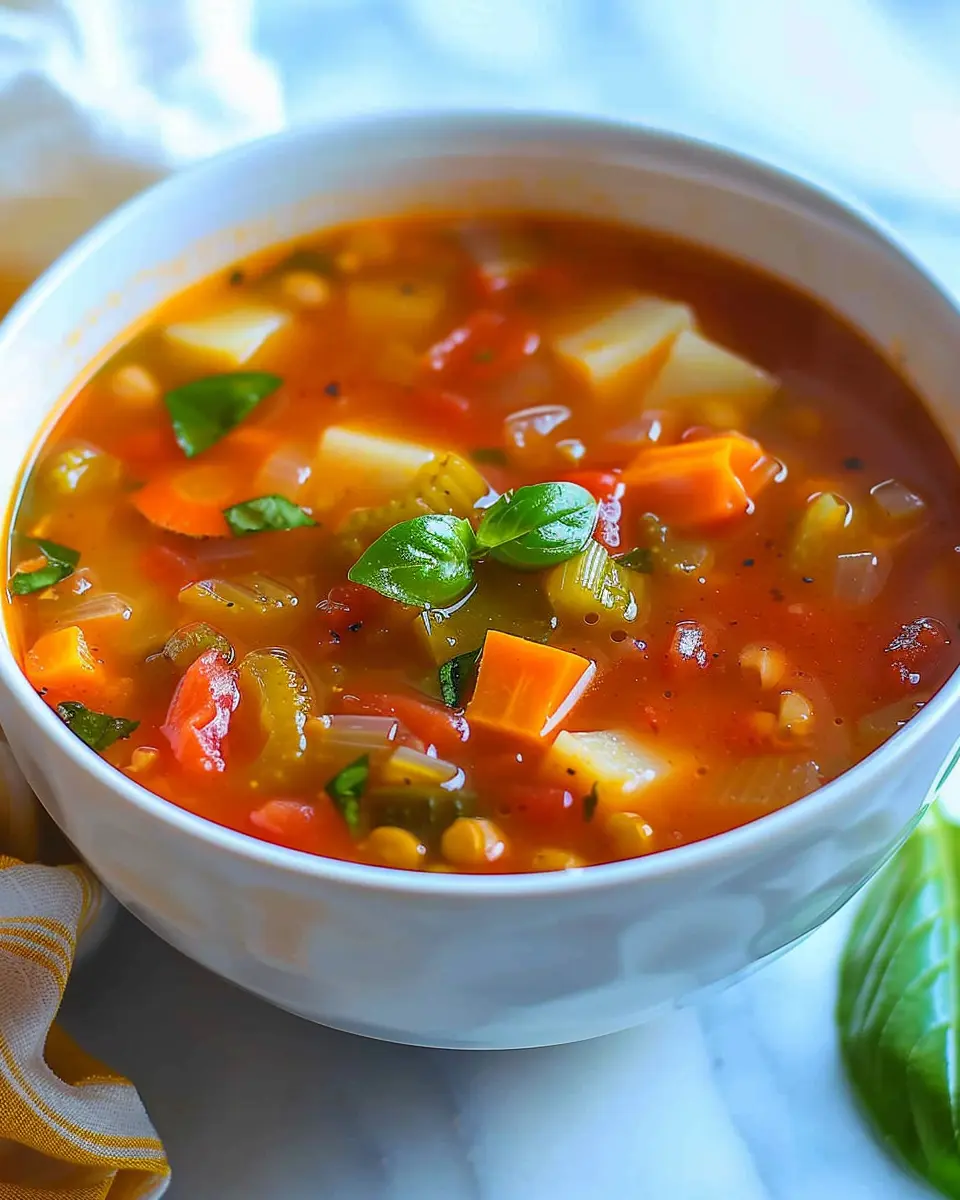
When you think of comfort food, what’s the first dish that comes to mind? For many, it’s a warm bowl of vegetable soup, brimming with wholesome goodness. Homemade vegetable soup embodies warmth and nourishment, making it the perfect dish for any time of year. It’s not just about filling your belly; it’s about the memories created around the dinner table, the aroma wafting through your home, and that soothing feeling you get with each spoonful.
Why is homemade vegetable soup the ultimate comfort food?
Imagine coming home after a long day. The air is crisp, and all you want is to wrap your hands around a steaming bowl of soup, letting the flavors envelop you in a cozy embrace. Homemade vegetable soup provides exactly that! With its rich combination of fresh vegetables, herbs, and spices, each bowl is a testament to your culinary creativity and can be easily personalized.
Consider the fact that according to the USDA, roughly 90% of Americans do not consume enough vegetables (source: U.S. Department of Agriculture). Making a homemade vegetable soup is an excellent way to incorporate a variety of veggies into your diet. You can be adventurous with your choices—choose from carrots, zucchini, spinach, and more. The best part? You can easily adjust the recipe to include any seasonal vegetables or leftovers in your fridge, reducing food waste while creating a satisfying dish.
But it’s not just about taste; it’s the health benefits that pack a punch. Research suggests that a diet rich in vegetables can lead to lower blood pressure, reduced risk of heart disease, and enhanced digestion (source: Harvard Health). Plus, using ingredients that you know and love allows you to dodge preservatives and fillers present in store-bought soups.
In addition to the health perks, let’s not forget the emotional connection we have to food. Sharing a bowl of soup with friends or family can spark conversations, laughter, and memories. Why not gather your loved ones for a cozy evening of soup-making and storytelling?
In the following sections, I’ll guide you through how to create this ultimate warmth in a bowl, ensuring that each spoonful offers comfort and joy. Ready to dive in?
Ingredients for Vegetable Soup
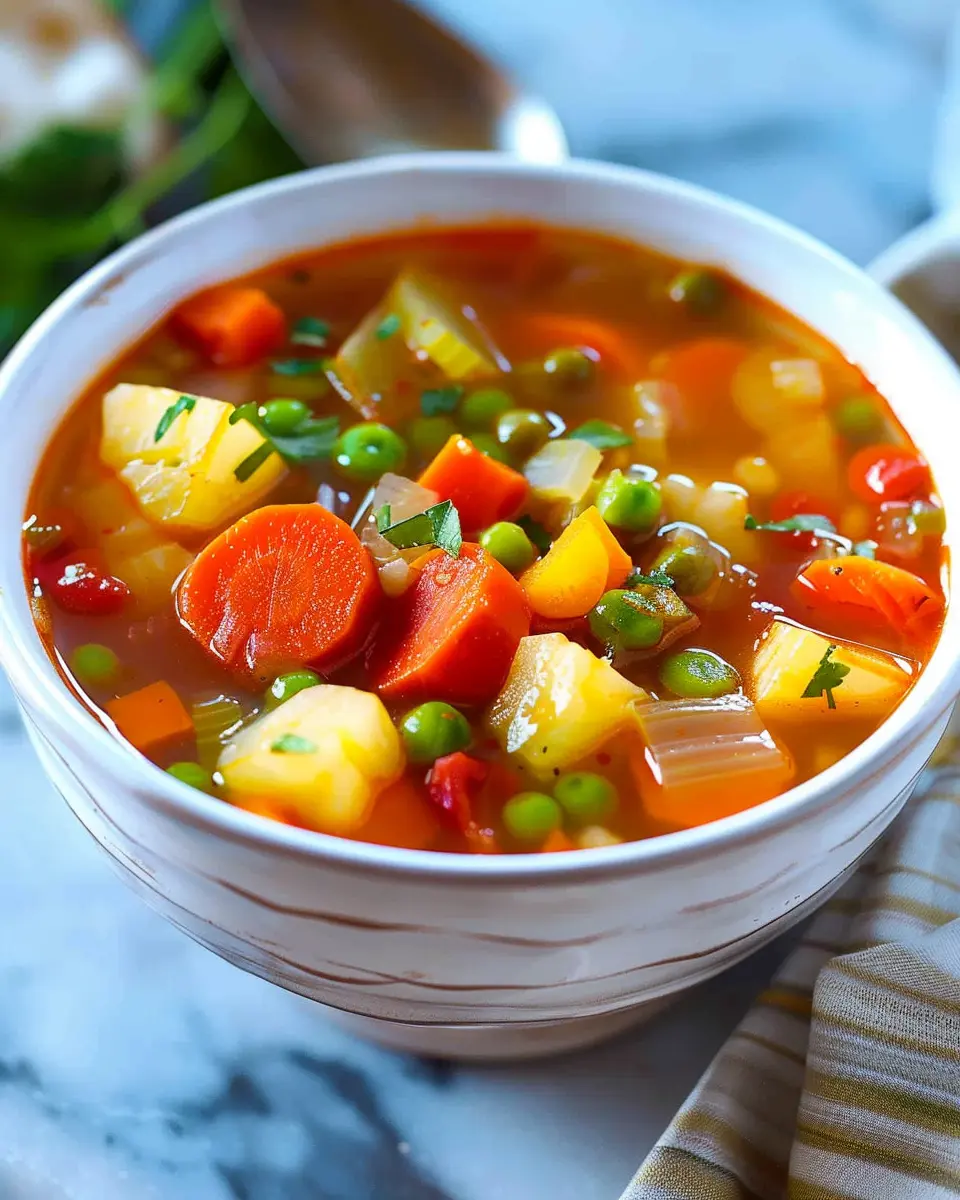
Essential ingredients for a hearty soup
Creating a delicious vegetable soup starts with the right foundation. Here’s what you absolutely need:
- Vegetables: A mix is key! Think onions, carrots, celery, and potatoes for depth and richness.
- Broth: Vegetable or chicken broth adds a savory base. You could even consider homemade broth for that extra touch.
- Herbs and spices: Fresh herbs like thyme, basil, and parsley bring everything to life. Salt and pepper are essential for balancing the flavors.
Optional ingredients for extra flavor
If you want to elevate your vegetable soup, consider adding some optional ingredients:
- Turkey bacon or chicken ham: These can add a smoky richness that many love.
- Beans or lentils: For added protein and texture, great for a filling meal.
- Additional veggies: Spinach, zucchini, or even bell peppers can enhance both flavor and nutrition.
For more tips on vegetable soup variations, you can check out this comprehensive guide on soup-making. Remember, the beauty of this dish is in its adaptability! Experiment with whatever you have on hand. Happy cooking!
Preparing Vegetable Soup
Making a delicious vegetable soup is one of the easiest and most rewarding kitchen experiences. Not only is it comforting and nutritious, but you also have the freedom to customize it to your taste. Ready to dive in? Let’s get started!
Gather and prep your vegetables
First things first, you need to gather your vegetables. This part is both fun and creative! Here are some vegetables that work beautifully in a vegetable soup:
- Carrots
- Celery
- Onions
- Bell peppers
- Zucchini
- Spinach or kale
- Tomatoes (canned or fresh)
Once you’ve got your ingredients, wash and chop them into bite-sized pieces. Aim for uniformity in size so they cook evenly. If you’re looking for some inspiration or additional options, check out the Nutritional Guidelines to see which veggies are in season. Personalize your soup—if you love sweet potatoes or green beans, throw them in!
Sauté the base for depth of flavor
Next, let’s build the flavor base. In a large pot or Dutch oven, heat a splash of olive oil over medium heat. Add chopped onions first; they’ll provide a lovely aromatic foundation. Sauté the onions until they’re translucent, about 5 minutes, before throwing in minced garlic and your other base vegetables like carrots and celery.
Here’s a tip: don’t rush this step. Allowing these veggies to soften and caramelize just a little will add layers of richness to your vegetable soup. You could also toss in some chopped turkey bacon or even some diced chicken ham for a hint of umami—just remember to keep those flavors balanced.
Add in your remaining veggies and broth
Once your base is aromatic and delicious, it’s time to introduce the rest of your veggies. Stir in your chopped bell peppers, zucchini, and any other favorites. Let them mingle for a few minutes, allowing those flavors to marry.
Now comes the magic: add your broth! Whether you opt for vegetable broth for a vegetarian version or chicken broth for a meaty punch, use about 4 to 6 cups, depending on how soupy you like it. Don’t forget to scrape the bottom of your pot—this helps lift any caramelized bits that can enhance the overall flavor.
Simmer until tender and flavorful
Bring your concoction to a gentle boil and then reduce the heat to a simmer. Cover the pot and let your vegetable soup cook for roughly 20-30 minutes, or until the vegetables are tender. This part is crucial; it allows all those wonderful flavors to meld together. A well-made soup should simmer, bubble softly, and fill your kitchen with aromatic goodness.
Feel free to taste along the way; it’s the best part! If you need a little extra flavor, consider adding a splash of lemon juice or some apple cider vinegar for brightness.
Finish with fresh herbs and season to taste
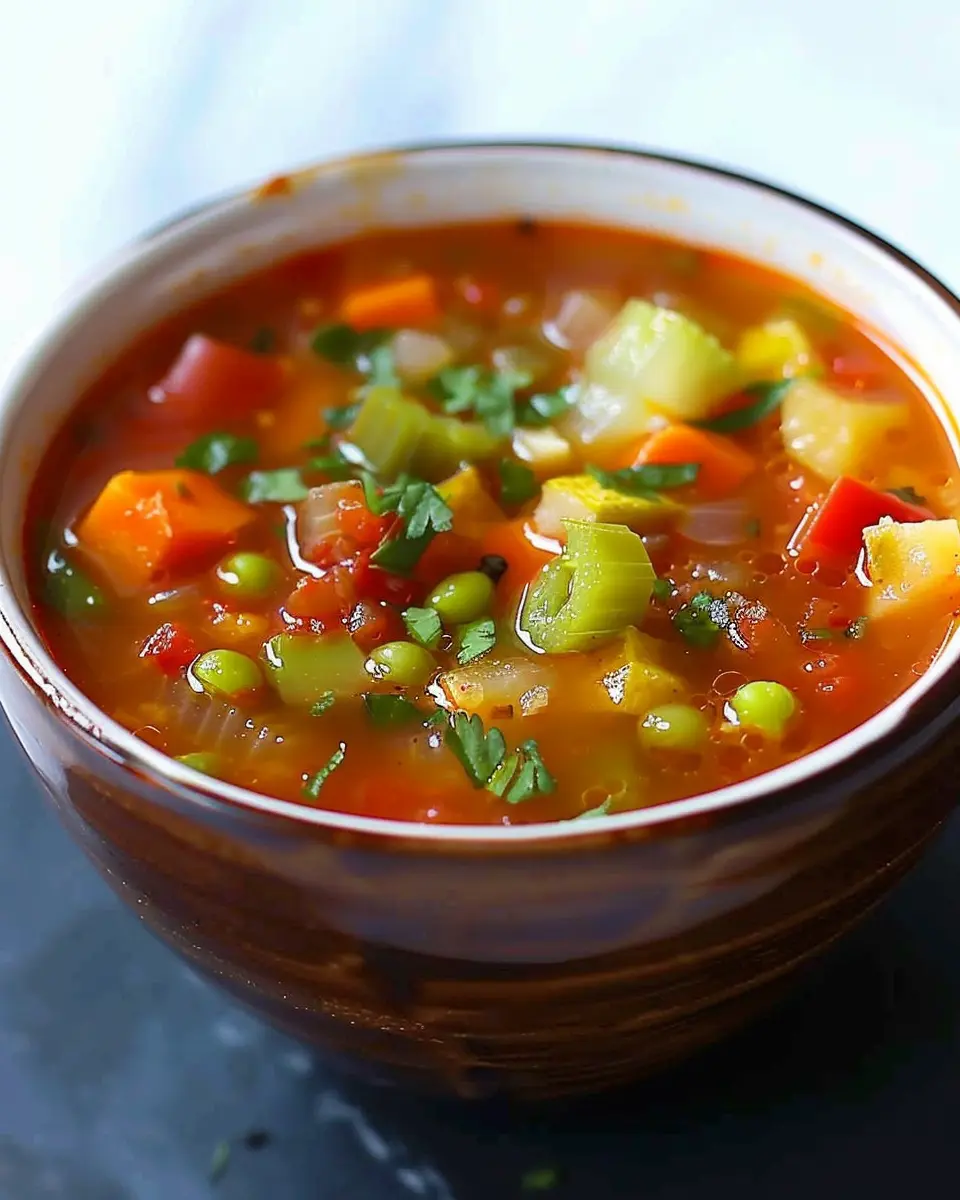
Finally, the finishing touch! Before serving, stir in some fresh herbs like parsley, basil, or thyme for an added burst of flavor. Not only do these impart freshness, but they also add a pop of color to your vegetable soup.
Now, taste your creation and adjust the seasoning. Add some salt, pepper, or even a pinch of red pepper flakes if you fancy a little heat. Serve your soup hot, and consider pairing it with crusty bread for a cozy meal.
Remember, feel free to get creative with your vegetable soup, customizing it to suit your palate or what you have on hand. Enjoy each spoonful of your nourishing, homemade creation—happy cooking!
Variations on Vegetable Soup
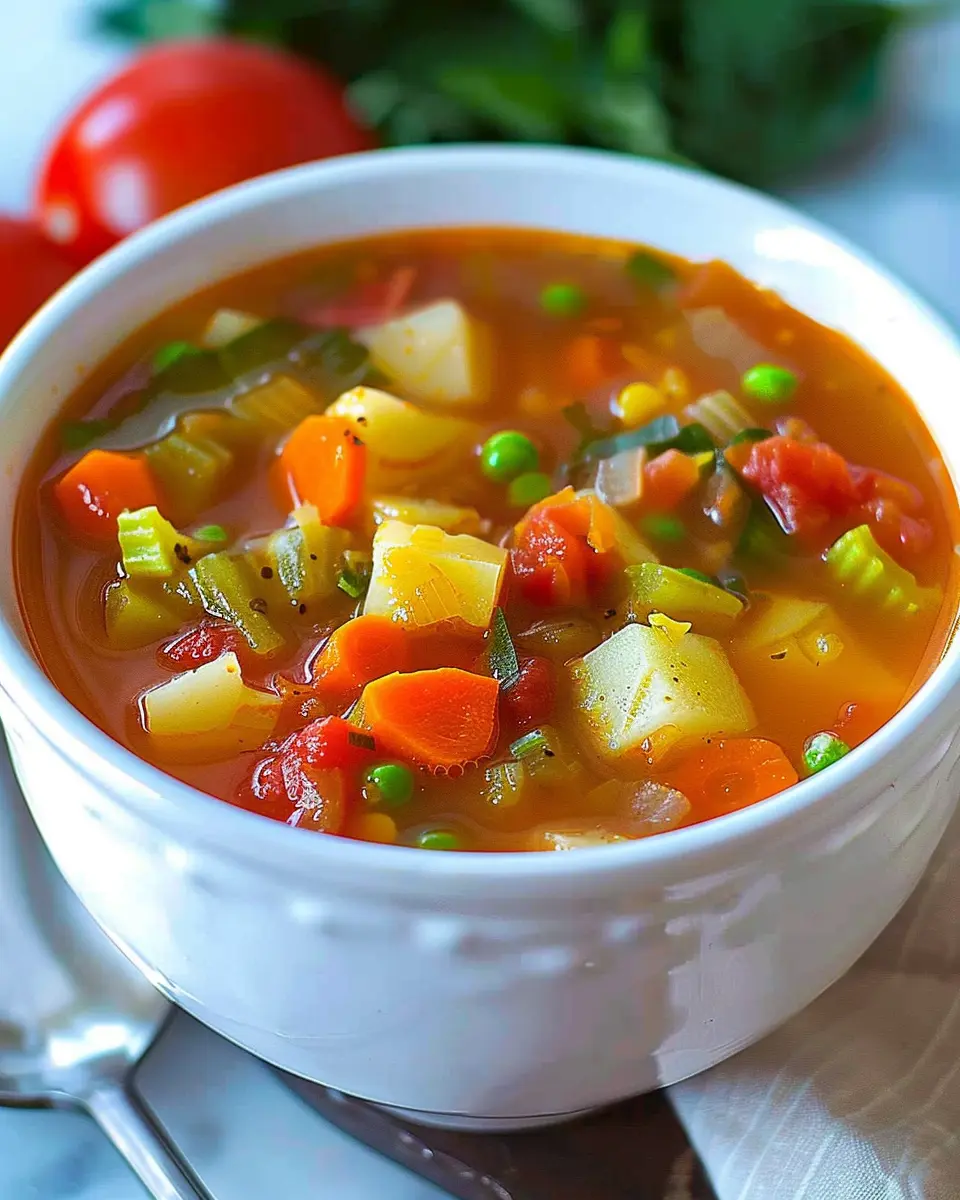
Hearty Bean and Veggie Soup
If you’re in the mood for a substantial meal, consider a hearty bean and veggie soup. Packed with fiber and protein, this flavorful option is perfect for cozy evenings after a long day. Simply toss in your favorite beans—like kidney or cannellini—along with a medley of seasonal vegetables such as carrots, zucchini, and bell peppers. Adding a splash of vegetable broth gives it an extra depth of flavor.
Here’s a quick note: consider using vegetable bouillon or a low-sodium broth to keep it healthy! A pinch of cumin or smoked paprika can elevate the taste even more. And don’t forget, this soup freezes beautifully, making it a go-to option for meal prep. You can find great tips on storing soups and making them last longer over at The Kitchn.
Creamy Potato and Leek Soup
On cold, blustery days, nothing warms you up quite like a creamy potato and leek soup. This variation on vegetable soup is rich, comforting, and surprisingly easy to make. Start by sautéing sliced leeks in a bit of olive oil until they’re tender, then add cubed potatoes and vegetable stock. Allow it to simmer until everything is soft, and then blend it to achieve that creamy texture without any dairy.
Feeling adventurous? Try adding a touch of nutritional yeast for that cheesy flavor without the calories! Garnish with fresh herbs like chives or thyme for a pop of freshness. You can find more ideas for creamy soups at Serious Eats.
Experimenting with these variations not only enhances your cooking skills but also keeps your meal planning exciting. So next time you opt for vegetable soup, give one of these delightful twists a try!
Cooking Tips for Vegetable Soup
Choosing the Right Vegetables for Maximum Taste
When creating a delicious vegetable soup, variety is key! Opt for seasonal veggies like carrots, potatoes, and zucchini for freshness. Don’t shy away from adding leafy greens like spinach or kale; they not only enhance flavor but also bring valuable nutrients. Consider using root vegetables such as turnips or parsnips for a unique taste. For a hint of sweetness, toss in some corn or sweet potatoes. Remember, the fresher the vegetables, the better the soup!
Enhancing Flavor with Herbs and Spices
To elevate your vegetable soup, incorporating a blend of herbs and spices can work wonders. Fresh herbs like parsley, thyme, and basil add depth and brightness. Dried spices such as cumin or paprika can introduce warmth and complexity. For a savory kick, a splash of lemon juice or apple cider vinegar can raise the flavor profile significantly.
Want to dive deeper into flavoring tips? Check out this herbs and spices guide. It might just transform your next pot of soup!
Serving Suggestions for Vegetable Soup
Pairing with Crusty Bread or a Side Salad
One of the best ways to enjoy your vegetable soup is by pairing it with a slice of crusty bread. Sourdough or a rustic whole-grain loaf adds a delightful texture that perfectly complements the soup’s warmth. Just imagine dipping the bread into the rich, vibrant broth—pure bliss! Alternatively, a fresh side salad can provide a crisp contrast. Consider a simple mixed greens salad topped with a light vinaigrette to balance the hearty elements of your soup.
Creative Garnishes to Elevate Your Soup Experience
Elevate your vegetable soup with unique garnishes that create visual appeal and added flavor. Try adding:
- A dollop of Greek yogurt or sour cream for creaminess.
- Fresh herbs like parsley or cilantro for a burst of freshness.
- Toasted seeds or nuts for a satisfying crunch.
These thoughtful touches not only enhance the taste but also make your bowl look Instagram-worthy! Adding a sprinkle of chili flakes can also introduce a touch of heat. For more serving ideas, check out this wonderful resource on Soup Garnishes.
Time details for Vegetable Soup
Preparation time
Making your vegetable soup is as easy as it is satisfying! You’ll need about 15 minutes to prep the ingredients. This includes chopping your veggies and getting everything ready to go. Feel free to turn on some music or a podcast during this time—it can make prep even more enjoyable!
Cooking time
Once prepped, the cooking process takes around 30-40 minutes. You’ll let the ingredients simmer together to meld those delicious flavors. Just think about how great your kitchen will smell!
Total time
In total, you’re looking at about 45-55 minutes from start to finish. Perfect for a cozy weeknight dinner after a busy day. Plus, you’ll have a nutritious meal that’s ready in a snap. If you’re short on time, batch-cooking this soup can also be a fantastic option for meal prep! For more tips, check out websites like EatingWell or Serious Eats for additional insights into quick meal solutions.
Nutritional Information for Vegetable Soup
When it comes to a comforting bowl of vegetable soup, not only are you treating your taste buds, but you’re also fueling your body with essential nutrients. Here’s a quick breakdown of the nutritional benefits you can expect from this hearty dish.
Calories
A standard serving of vegetable soup typically contains around 70-100 calories, making it a light yet satisfying option, especially for those managing their caloric intake. This low-calorie count allows for flexibility in your meals throughout the day.
Fiber
One of the standout features of vegetable soup is its fiber content. Each serving can provide approximately 3-5 grams of fiber, which is essential for digestive health. Including fiber-rich foods in your diet can help you feel fuller for longer—an important factor if you’re aiming for weight management.
Vitamins and Minerals
Packed with an array of vitamins and minerals, vegetable soup is a powerhouse of nutrition. It provides:
- Vitamin A: Essential for eye health, often derived from carrots and peppers.
- Vitamin C: Crucial for immune function, found in tomatoes and leafy greens.
- Potassium: Supports heart health and muscle function, present in vegetables like spinach and potatoes.
For more insights into the health benefits of vegetables, check out resources from the USDA and Healthline. Embracing vegetable soup in your diet is not just a step towards deliciousness but also a leap towards better health!
FAQs about Vegetable Soup
How can I make my vegetable soup taste better?
Improving the flavor of vegetable soup can be as simple as enhancing the broth. Consider using a homemade or low-sodium vegetable broth as the base to control the flavor intensity. Fresh herbs like thyme, basil, or parsley add brightness and a hint of freshness. Tossing in a splash of lemon juice or vinegar right before serving can also elevate the taste by balancing the flavors. If you’re open to it, a dash of soy sauce or nutritional yeast can add umami—perfect for a robust flavor without meat.
Can I freeze vegetable soup?
Absolutely! Freezing vegetable soup is a great way to extend its life. Just let it cool completely, then transfer it to an airtight container or freezer bag. Make sure to leave some space at the top, as liquids expand when frozen. For best results, enjoy your frozen soup within three months. When you’re ready to enjoy it again, simply thaw it in the fridge overnight and reheat on the stove or in the microwave.
What are the best vegetables to use in vegetable soup?
The beauty of vegetable soup lies in its versatility. However, some vegetables stand out for their flavor and texture:
- Carrots: Sweet and crunchy, they add a lovely color.
- Celery: A classic base that complements other veggies.
- Potatoes: For heartiness and creaminess when blended.
- Spinach or Kale: Adds nutrients and a pop of color.
- Zucchini: Great for a subtle texture and absorbs flavors well.
Feel free to experiment based on what’s in season or what you have on hand! For more tips on selecting the freshest produce, check out resources like FoodNetwork for seasonal recommendations. Enjoy crafting your perfect bowl!
Conclusion on Vegetable Soup
In a world filled with fast food and takeout, the importance of enjoying homemade meals like vegetable soup cannot be overstated. Not only is it a nutritious choice, but it also brings warmth and comfort to our busy lives. Crafting your own soup allows you to control the ingredients, ensuring freshness and flavor without unwanted additives.
The process can be therapeutic, turning the act of cooking into a creative expression. Plus, there’s something special about gathering friends or family around a warm pot of soup. So, why not whip up a big batch? And if you’re interested, explore more about the health benefits of vegetables on Healthline. Homemade vegetable soup is a delightful journey that nourishes both body and soul!
PrintVegetable Soup Delight: Easy Homemade Recipe for Cozy Nights

Enjoy a warm bowl of homemade vegetable soup that brings comfort and joy to cozy nights.
- Prep Time: 15 minutes
- Cook Time: 30 minutes
- Total Time: 45 minutes
- Yield: 6 servings
- Category: Soup
- Method: Stovetop
- Cuisine: American
- Diet: Vegetarian
Ingredients
- 2 cups vegetable broth
- 1 cup chopped carrots
- 1 cup diced potatoes
- 1 cup chopped onions
- 2 cloves garlic, minced
- 1 cup chopped celery
- 1 can diced tomatoes
- 1 teaspoon dried oregano
- 1 teaspoon salt
- 1/2 teaspoon black pepper
Instructions
- In a large pot, heat the vegetable broth over medium heat.
- Add garlic, onions, carrots, and celery, and sauté until softened.
- Add potatoes and diced tomatoes; stir to combine.
- Season with oregano, salt, and pepper.
- Bring to a boil, then reduce heat and let simmer for 30 minutes.
- Stir occasionally and adjust seasoning as needed.
Notes
- Feel free to add any seasonal vegetables you have on hand.
- This soup can be blended for a smoother texture.
Nutrition
- Serving Size: 1 bowl
- Calories: 150
- Sugar: 5g
- Sodium: 700mg
- Fat: 3g
- Saturated Fat: 0g
- Unsaturated Fat: 2g
- Trans Fat: 0g
- Carbohydrates: 30g
- Fiber: 7g
- Protein: 4g
- Cholesterol: 0mg