Introduction to Japanese Katsu Bowls
If you’re on the lookout for a comforting, filling meal that satisfies your cravings and is surprisingly easy to prepare, then Japanese katsu bowls are a game changer. Imagine a delicious, breaded cutlet, crispy on the outside and juicy on the inside, served over a bed of fluffy rice. It’s one of those meals that not only taste fantastic but also brings a bit of warmth and happiness to your dining table.
Why Japanese Katsu Bowls are a Game Changer
First off, let’s talk about the star of the dish: the katsu itself. Traditionally, katsu is made with beef or chicken that’s pounded thin, coated in flour, and crispy breadcrumbs, then pan-fried to perfection. This method locks in savory juices and creates a delightful crunch. The best part? You can customize your katsu to suit your taste. Fancy turkey bacon or chicken ham? Go for it! Add spices or herbs for a personal twist.
Katsu bowls combine simplicity and versatility. Depending on your mood, you can throw in fresh veggies, drizzle on some tangy tonkatsu sauce, or even swap out the protein. Not only do they cater to various dietary preferences—like opting for beef or plant-based alternatives—but they also offer a hearty meal that fits seamlessly into your busy lifestyle. According to a study by the Japan External Trade Organization, the popularity of Japanese cuisine, particularly katsu, has surged globally, and it’s no wonder why!
When you dive into a bowl of katsu, you’re not just indulging in fantastic flavors; you’re also experiencing a piece of Japanese culture. The act of enjoying katsu can be a form of self-care, turning an ordinary weeknight into something special. Plus, with just a few ingredients, you can whip up a delicious meal that impresses both yourself and your dinner guests.
Incorporating katsu into your cooking repertoire opens up a world of flavors. From tangy to sweet, the possibilities are endless. Whether you’re sticking to traditional recipes or experimenting with unique spins, Japanese katsu bowls take comfort food to a whole new level. Ready to dive in? Let’s get cooking!
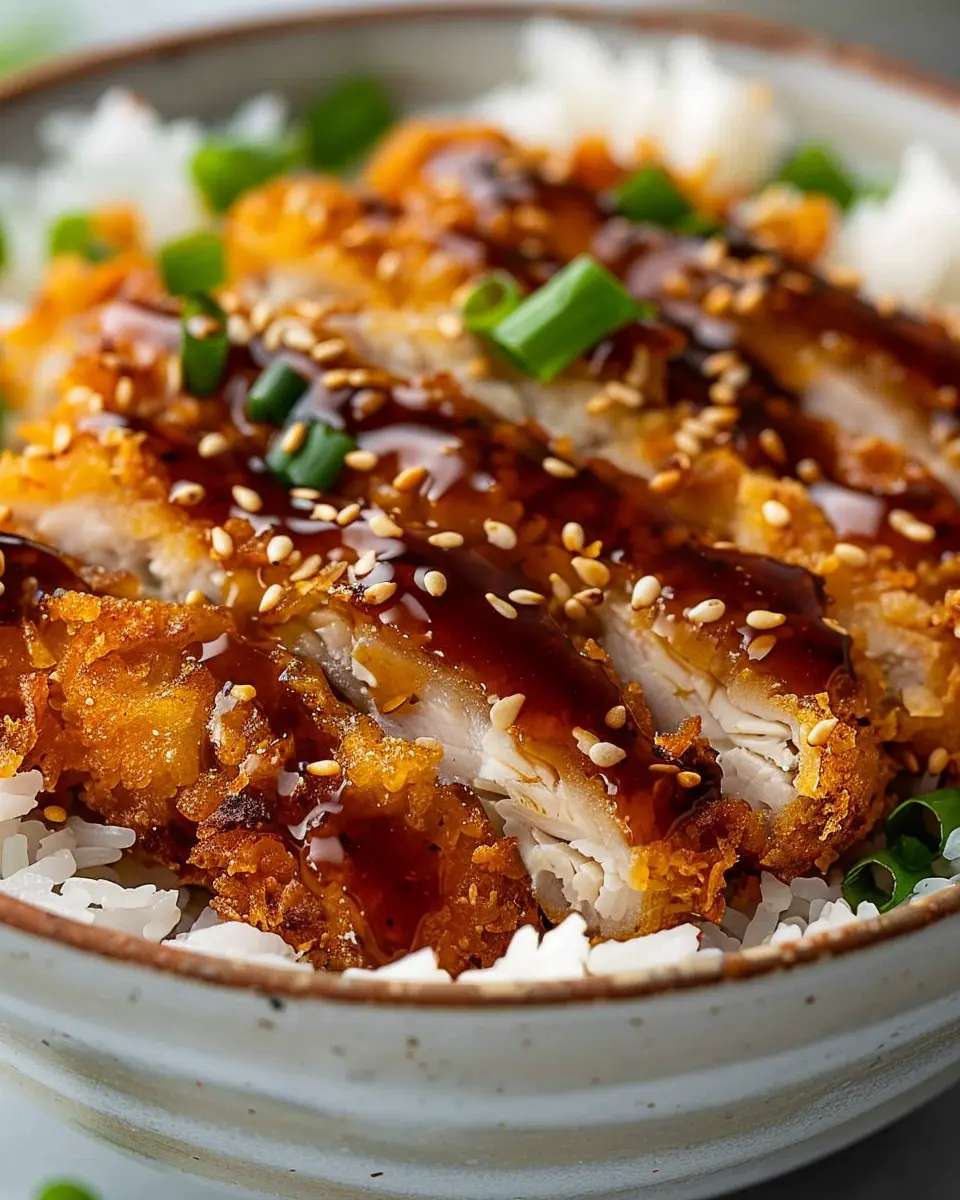
Ingredients for Japanese Katsu Bowls
Creating Japanese katsu bowls at home is easier than you might think! Here’s a list of essential ingredients to make a delicious and satisfying meal.
The Protein
- Beef Cutlets: Choose thinly sliced beef, ideally sirloin or tenderloin. This will give you that tender, juicy texture we all crave.
- Turkey Bacon: Substitute traditional bacon with turkey bacon for a healthier twist while maintaining fantastic flavor.
The Base & Additions
- Steamed Rice: Use short-grain Japanese rice for the best texture. You can also opt for jasmine rice if you prefer a slightly nutty flavor.
- Chicken Ham: Adds a savory depth to your dish. You can slice it thin or dice it for easy mixing into the bowl.
Toppings and Sauce
- Shredded Cabbage: Freshly shredded, this adds crunch and a refreshing element.
- Tonkatsu Sauce: The star of the show! This sweet and tangy sauce elevates your katsu bowls and ties all the flavors together beautifully.
Once you have these ingredients, you’re on your way to whipping up a delightful meal! For more tips and detailed recipes, check out sources like Just One Cookbook for traditional methods and ideas. Happy cooking!
Preparing Japanese Katsu Bowls
Japanese katsu bowls are a delightful fusion of flavors and textures, making them a favorite for busy professionals looking to impress at home. Whether you’re entertaining friends or just treating yourself, mastering this dish can truly elevate your culinary game. Let’s break down how to prepare delectable Japanese katsu bowls step by step.
Prepare the Chicken
Start with selecting the right cut of beef; tender cuts like beef sirloin or top round work wonders for katsu. You’ll want to slice your beef into thin, even pieces—about ½ inch thick works best for cooking and breading. Once sliced, place the beef between two sheets of plastic wrap and pound it gently with a meat mallet until it’s about ¼ inch thick. This not only helps the meat tenderize but also ensures even cooking. Don’t forget to season both sides with salt and pepper to enhance the flavor.
Do you prefer a marinated touch? Consider soaking the beef in a mixture of soy sauce, ginger, and garlic for about 30 minutes before cooking. The umami profile will add depth to your final dish.
Set Up Your Dredging Station
Creating a well-organized dredging station will streamline the process of breading your beef and make it mess-free. You’ll need three shallow bowls:
- Flour Bowl: Fill this with all-purpose flour mixed with a pinch of salt and pepper.
- Egg Bowl: Beat a couple of large eggs in this bowl. This will help the breadcrumbs adhere to the beef.
- Breadcrumb Bowl: Use Japanese panko breadcrumbs for that signature crunch. The larger flakes create a crispier texture that elevates your Japanese katsu bowls.
Taking a moment to set this up will save you time and frustration later.
Fry the Chicken to Crispy Perfection
Heat about ½ inch of vegetable oil in a large skillet over medium-high heat. To test if the oil is hot enough, drop a tiny bit of batter in—if it sizzles, you’re good to go. Dredge your seasoned beef first in the flour, shaking off any excess, then dip it into the beaten egg, and finally coat it with panko breadcrumbs.
- Tip: Don’t crowd the pan; fry a few pieces at a time to maintain the oil’s temperature, which ensures a crispy exterior.
Cook each piece for about 3-4 minutes on each side, or until they’re a beautiful golden brown. Once done, place the fillets on paper towels to drain any excess oil.
Assemble Your Katsu Bowls
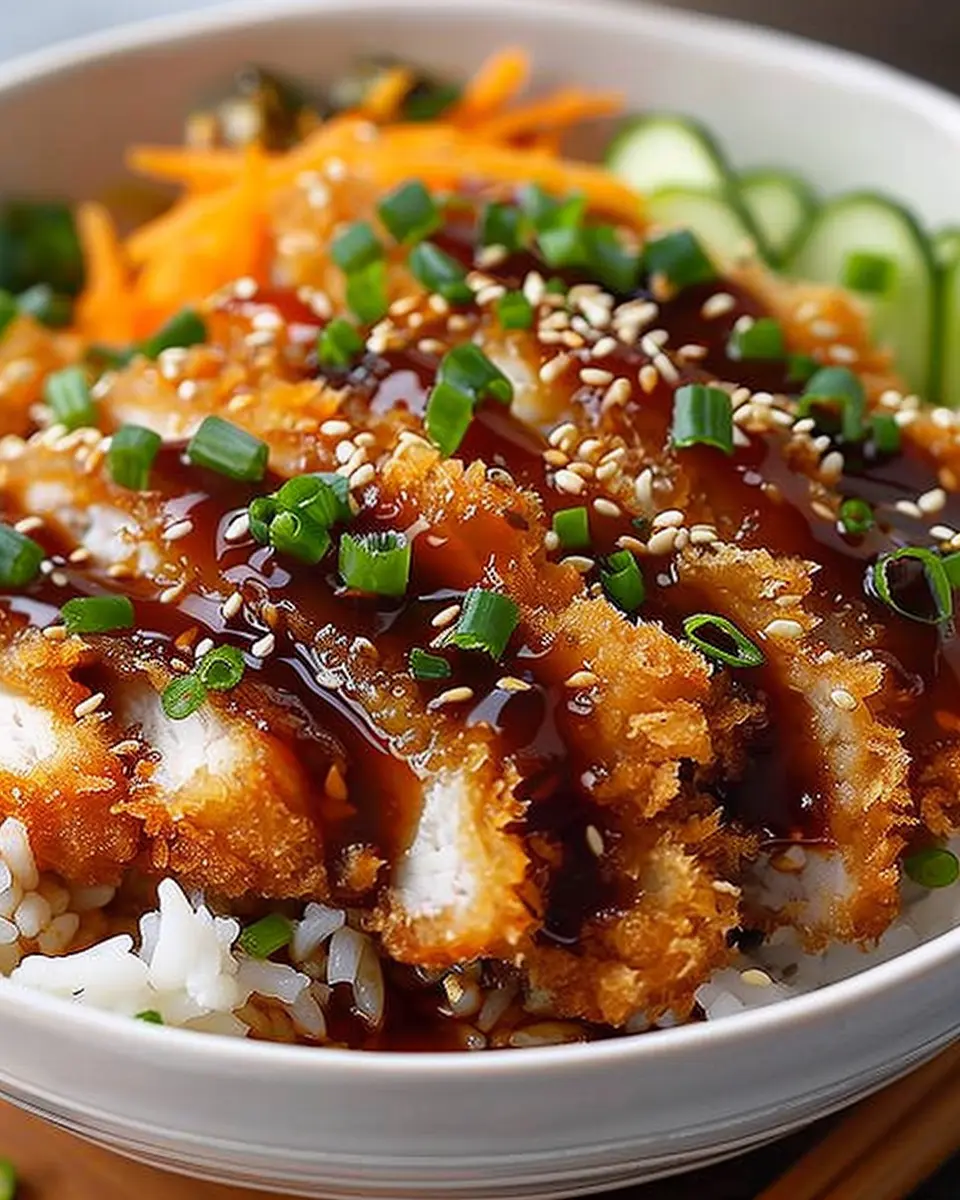
Now comes the fun part—assembly! In a bowl, start with a generous serving of cooked rice, using short-grain for that authentic Japanese touch. Slice your crispy beef katsu into strips and arrange them atop the rice.
Next, it’s time to drizzle on some homemade tonkatsu sauce—a delicious blend of sweet, tangy, and savory flavors. To add some freshness, top your Japanese katsu bowls with a handful of finely shredded cabbage or a sprinkling of green onions.
Serve and Enjoy
There you have it! Your Japanese katsu bowls are ready to serve. Pair them with pickled vegetables or a side of miso soup for a complete meal. If you need ideas for drink pairings, consider green tea or a refreshing non-alcoholic beverage to complement the dish.
Remember, cooking is as much about enjoying the process as it is about the final dish. Share your katsu creations with friends or make it a weeknight tradition. Happy cooking!
For expert tips or alternative katsu recipes, check out resources like Serious Eats or BBC Good Food. These sites offer valuable insights that can deepen your understanding of this beloved dish!
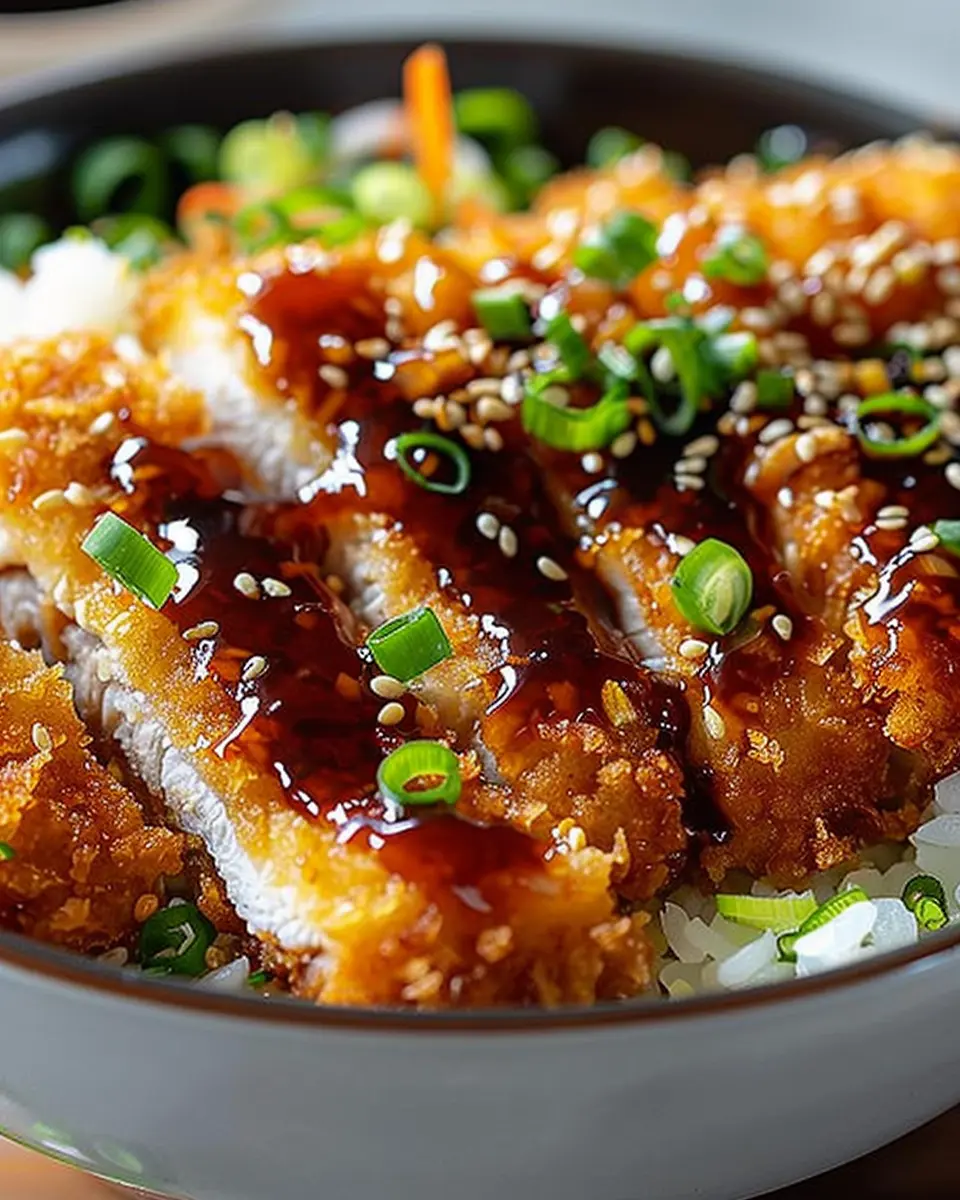
Variations on Japanese Katsu Bowls
Vegetarian Katsu Bowls
For those looking to explore Japanese katsu bowls without meat, consider whipping up a delightful vegetarian version. Instead of the traditional beef, you can use crispy tofu. Simply press and slice firm tofu, then dip it in flour, egg (or a vegan alternative), and panko breadcrumbs. Shallow fry until golden brown for that satisfying crunch. Top it with your favorite vegetables — think sautéed zucchini, bell peppers, and a sprinkle of sesame seeds for that extra umami touch. This rendition not only caters to your veggie-loving friends but also retains that comforting, hearty feel we love about katsu. Serve with a drizzle of tonkatsu sauce, and you won’t miss the meat one bit!
Spicy Katsu Bowls
If you’re ready to turn up the heat, spicy Japanese katsu bowls will take your meal to the next level. You can enhance the traditional beef katsu by mixing sriracha or a spicy miso paste into your tonkatsu sauce. For the adventurous souls, you might also consider adding spicy pickled vegetables or jalapeños on top. Pair your crispy beef katsu with a bed of fluffy rice and a side of steamed veggies. The blend of flavors and textures will have you reaching for seconds.
Feel free to adapt these recipes based on what you have at home or your spice tolerance; the beauty of katsu bowls lies in their versatility. For more tips on perfecting your katsu, check out this authentic Japanese cooking resource. Each variation brings a unique twist while holding onto that core essence of this beloved dish!
Cooking Tips and Notes for Japanese Katsu Bowls
Creating delicious Japanese katsu bowls at home is all about the details. Here are some tips to elevate your dish and impress your friends.
Choosing Your Protein
While traditional katsu uses pork, feel free to switch it up with beef or turkey bacon for a unique twist! Just remember to adjust cooking times accordingly — as chicken ham can cook faster than beef.
Perfecting the Crunch
To achieve that crispy texture, use panko breadcrumbs instead of regular breadcrumbs. They absorb less oil and yield a lighter crunch. Make sure to double-dip your protein: first in flour, then beaten eggs, and finally, the panko. This method ensures maximum crispiness.
Homemade Tonkatsu Sauce
Skip store-bought sauces whenever possible! Make your own by mixing ketchup, Worcestershire sauce, soy sauce, and sugar. Experiment with the ratios until you find your perfect blend. And for an extra kick, add a dash of Dijon mustard.
Final Touches
Serve your Japanese katsu bowls with perfectly steamed rice and fresh shredded cabbage for a balanced meal. For more flavor, try adding pickled vegetables or a sprinkle of sesame seeds on top. Happy cooking!
For further inspiration on Asian cuisine, check out Serious Eats for their extensive recipes and cooking tips.
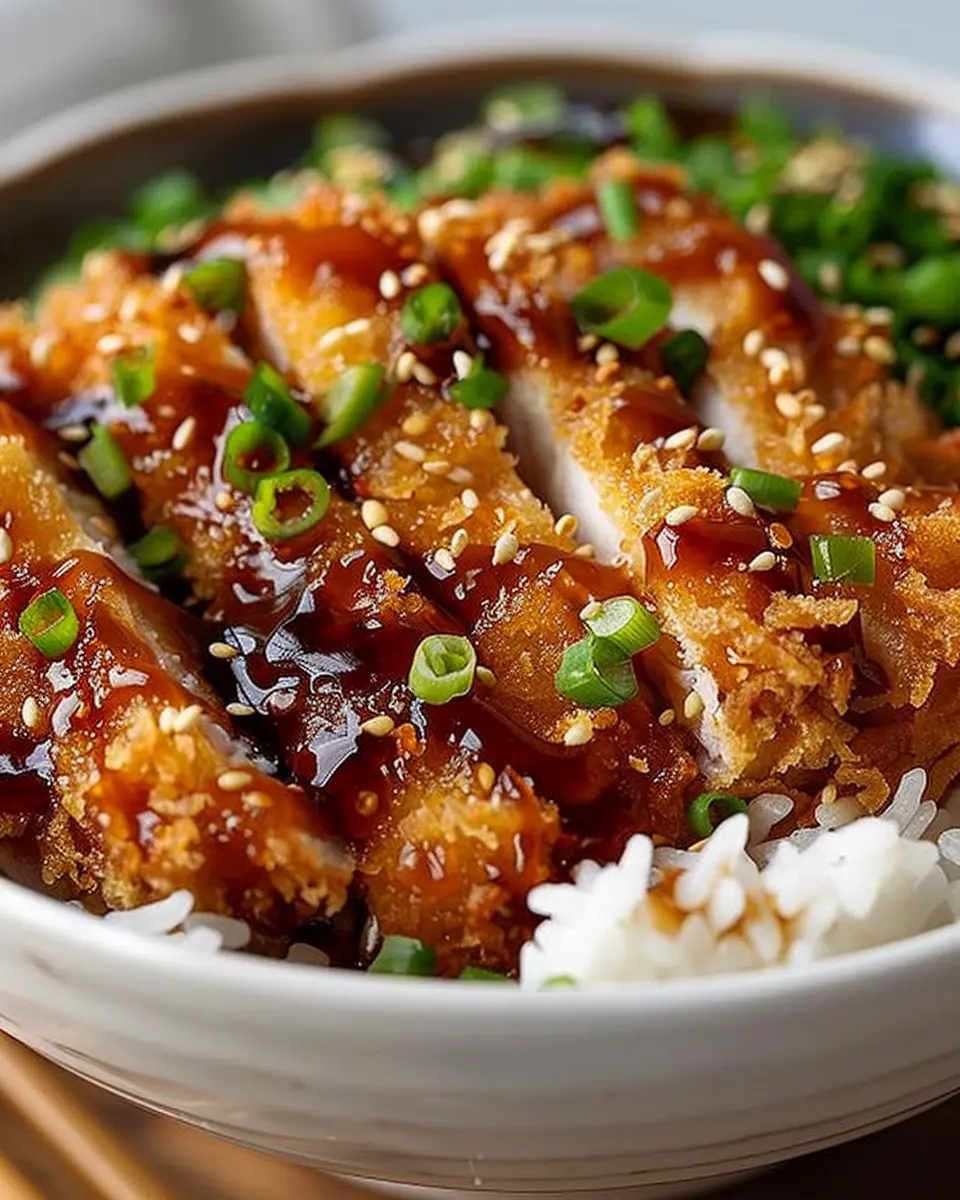
Serving Suggestions for Japanese Katsu Bowls
When it comes to enjoying your Japanese katsu bowls, the serving options are endless and truly enhance the overall experience. Here are some delightful ideas to elevate your meal:
Pairing Essentials
-
Rice Variations: While white rice is traditional, consider using brown rice or even sushi rice for a different texture and flavor profile. It not only adds nutritional value but also complements the crispy katsu beautifully.
-
Vegetable Medleys: Add a burst of color and freshness with stir-fried or steamed vegetables. Broccoli, carrots, and bell peppers not only taste great but also provide a crunchy contrast to the tender katsu.
Flavor Boosters
-
Creative Sauces: Besides tonkatsu sauce, experimenting with a yuzu or sesame dressing can add a refreshing twist. Check out this yuzu sauce recipe for a zesty kick.
-
Garnishes: Don’t skip on toppings! Chopped green onions, furikake seasoning (a Japanese rice seasoning), or sesame seeds can give your dish that extra flair.
Beverage Pairings
- Refreshing Drinks: To balance the savory notes of your katsu, consider serving your bowls with a light iced green tea or a zesty lemon soda. These beverages clean the palate and keep the meal refreshing.
Combining these suggestions not only enhances your Japanese katsu bowls but also turns a simple meal into a gourmet experience. Enjoy experimenting!
Time Breakdown for Japanese Katsu Bowls
Preparation Time
Getting your ingredients ready for these Japanese katsu bowls is a breeze, typically taking about 15–20 minutes. You’ll want to slice your beef, prepare the coating, and have all your sauces at arm’s reach.
Cooking Time
Once you have everything prepped, cooking the katsu is quick; expect around 20–25 minutes for frying and assembling. The satisfying sizzle of the beef in the hot oil is a sound that sets the stage for a delicious meal.
Total Time
Altogether, you’re looking at a delightful 35–45 minutes from start to finish! That’s just enough time to pour yourself a refreshing drink or set the table for an enjoyable dining experience.
If you’re curious about other methods for enhancing your katsu bowls, check out this guide on Tonkatsu sauce for a deeper dive into flavors. Enjoy your cooking adventure!
Nutritional Facts for Japanese Katsu Bowls
When you’re diving into a plate of Japanese Katsu Bowls, it’s essential to consider the nutritional aspects as well. Not only are these bowls delicious, but they’re also packed with nutrients that can fit into a balanced diet.
Calories
A typical serving of Japanese Katsu Bowls with tonkatsu sauce averages around 600-700 calories. This can vary based on portion sizes and additional toppings, but it’s a hearty meal perfect for a fulfilling lunch or dinner.
Protein
With the inclusion of crispy beef, these bowls are a fantastic protein source, providing about 30 grams per serving. This makes them an excellent choice for those looking to maintain muscle or simply boost their protein intake throughout the day.
Sodium
One thing to keep in mind is sodium content; a serving can have over 1000 mg, primarily from the sauce. If you’re watching your salt intake, consider using low-sodium soy sauce or a homemade version of tonkatsu sauce to customize your Japanese Katsu Bowls to your needs.
Feel free to explore further details on nutrition from resources like the USDA FoodData Central or consult with a registered dietitian for personalized advice. Enjoy crafting your katsu bowls with both flavor and nutrition in mind!
FAQs about Japanese Katsu Bowls
Can I make Katsu bowls with tofu?
Absolutely! If you’re looking to create a vegetarian version of Japanese katsu bowls, simply substitute the chicken with crispy tofu. Firm tofu works best. Just press the tofu to remove excess moisture, then slice it and coat it with panko breadcrumbs before frying. This way, you can enjoy that satisfying crunch just like with the traditional chicken katsu.
What can I substitute for tonkatsu sauce?
If you find yourself without tonkatsu sauce, don’t worry! You can create a quick substitute using ingredients you might already have at home. Mix equal parts of soy sauce and ketchup, add a splash of Worcestershire sauce, and a touch of sugar or honey for sweetness. This blend mimics the tangy-sweet profile of tonkatsu sauce quite well and can elevate your katsu bowl’s flavor. You can find more about sauce alternatives here.
How do I ensure my chicken is cooked through without drying out?
Cooking chicken to perfection can be tricky, but there are some tips to ensure it stays juicy in your Japanese katsu bowls. Start by flattening the chicken with a meat mallet to ensure even cooking. Also, marinating the chicken in a mixture of soy sauce and a bit of sesame oil can add flavor and moisture. Lastly, use a meat thermometer to check for doneness—aim for 165°F (75°C) in the thickest part of the chicken. This helps you avoid overcooking while ensuring that your chicken is safe to eat.
By following these tips, you’ll be well on your way to impressing your friends and family with your delicious Japanese katsu bowls!
Conclusion on Japanese Katsu Bowls
Japanese Katsu bowls are more than just a meal; they’re a delightful experience that unites flavor and texture in a comforting embrace. With crispy, golden beef coated in panko, served over fluffy rice and paired with a tangy tonkatsu sauce, every bite speaks volumes of the culinary artistry behind these dishes.
Creating your own katsu bowl is not only rewarding but also impressively simple. Personalize it with your favorite sides like steamed vegetables or a fresh salad. So, why not elevate your weeknight dinners? Dive into the world of Japanese katsu bowls and explore endless variations! For more inspiration, check out Japanese cooking techniques to enhance your culinary skills.
PrintJapanese Katsu Bowls: Easy Recipe with Tonkatsu Sauce Delight

Enjoy a delicious and easy-to-make Japanese Katsu Bowl, featuring crispy tonkatsu and savory sauce.
- Prep Time: 15 minutes
- Cook Time: 20 minutes
- Total Time: 35 minutes
- Yield: 2 servings
- Category: Main Dish
- Method: Frying
- Cuisine: Japanese
- Diet: Gluten-Free
Ingredients
- 1 cup white rice
- 2 pork cutlets
- 1 cup panko breadcrumbs
- 1/2 cup all-purpose flour
- 2 eggs
- 1 cup tonkatsu sauce
- 2 tablespoons vegetable oil
- 1 carrot, sliced
- 1 cucumber, sliced
- 1 green onion, chopped
Instructions
- Cook the rice according to package instructions.
- Prepare the pork by flattening the cutlets and seasoning with salt and pepper.
- Set up a breading station: Place flour on a plate, beaten eggs in a bowl, and panko on another plate.
- Dredge each cutlet in flour, dip in egg, and coat with panko.
- Heat oil in a pan over medium heat and fry the cutlets until golden brown and cooked through.
- Slice the cooked tonkatsu and serve over rice with sliced vegetables.
- Drizzle tonkatsu sauce over the top and garnish with green onions.
Notes
- For extra flavor, marinate the pork in soy sauce for 30 minutes before breading.
- Feel free to add more vegetables to the bowl such as radishes or cabbage.
Nutrition
- Serving Size: 1 bowl
- Calories: 600
- Sugar: 6g
- Sodium: 800mg
- Fat: 30g
- Saturated Fat: 6g
- Unsaturated Fat: 15g
- Trans Fat: 0g
- Carbohydrates: 70g
- Fiber: 2g
- Protein: 25g
- Cholesterol: 150mg