Introduction to Homemade Pizza Dough
When it comes to enjoying pizza, nothing quite beats the experience of biting into a slice with a perfectly baked crust. That’s why homemade pizza dough is a game changer for so many home cooks. Crafting your own dough allows you to elevate your pizza-making game, giving you total control over freshness, flavor, and texture.
Why Homemade Pizza Dough is a Game Changer
Making your own pizza dough at home can be surprisingly simple and incredibly rewarding. Here are a few reasons why you should consider trying your hand at this craft:
-
Quality Control: When you create your own dough, you can choose high-quality ingredients, avoiding preservatives and additives often found in store-bought options. This means you know exactly what’s going into your meal.
-
Customization: Do you have a favorite flour or seasonings? Want to make a gluten-free version? When you make your own dough, the sky’s the limit! You can personalize your pizza dough recipe to suit your tastes or dietary needs. For more ideas on customizing your homemade pizza, check out resources like Serious Eats on Pizza Dough Techniques.
-
Cost-Effective: While a pre-made pizza dough may seem convenient, making your own is often less expensive in the long run, especially if you frequently indulge in pizza nights. Why not save a few bucks while enjoying a delicious meal?
-
Freshness: Freshly made dough is simply unmatched. The way it smells as it bakes in your oven is just heavenly. It’s an experience that takeout can’t replicate!
-
Creative Outlet: Baking is a fantastic way to unwind and express creativity. Experimenting with different toppings, sauces, and dough flavors can be a fun culinary adventure, perfect for a date night or a cozy get-together with friends.
Incorporating homemade pizza dough into your routine means you’re not just making dinner; you’re crafting an experience. So, are you ready to roll up your sleeves and dive into the world of homemade pizza dough? Let’s get started in the next section with our unbeatable pizza dough recipe!

Ingredients for Pizza Dough
When it comes to crafting the perfect pizza, the foundation is undoubtedly the dough. Here’s a quick overview of what you need for a delicious pizza dough recipe.
Key ingredients for the perfect dough
To get started, gather the following essentials:
- Flour: All-purpose flour is a classic choice, but bread flour gives a chewier texture—ideal for those who love a good crust.
- Water: Use lukewarm water to activate the yeast effectively and help the dough rise well.
- Yeast: Active dry yeast is a reliable option, giving your dough that lovely rise and airy texture.
- Salt: A must for flavor; it also strengthens the dough structure.
- Olive oil: Adds richness and improves the dough’s elasticity.
These simple ingredients create a fantastic base, but don’t be afraid to customize!
Optional add-ins for flavor
Want to elevate your pizza dough recipe? Consider these add-ins:
- Herbs: Dried oregano or basil can subtly enhance the flavor.
- Garlic powder or onion powder: A touch of these will make your dough irresistible.
- Sugar: A teaspoon can help balance the saltiness and encourage browning.
With these ingredients, you’re not just making dough; you’re setting the stage for your pizza masterpiece. Want more tips? Check out Serious Eats for further insights into making artisan pizza at home. Happy cooking!
Step-by-step Preparation of Pizza Dough
Making pizza dough is a labor of love that pays off with each savory bite. With just a few basic ingredients and a bit of patience, you’ll be crafting dough that rivals your favorite pizzeria. Let’s dive into the step-by-step process of how to make a delicious pizza dough recipe that will elevate your homemade pizza game.
Gather your tools and ingredients
Before you begin, it’s essential to gather everything you need. Here’s a simple checklist to streamline your dough-making process:
-
Ingredients:
-
2 ¼ teaspoons active dry yeast (one packet)
-
1 ½ cups warm water (about 110°F/45°C)
-
3 ½ to 4 cups all-purpose flour
-
2 tablespoons olive oil
-
1 teaspoon sugar
-
1 ½ teaspoons salt
-
Tools:
-
Mixing bowl
-
Wooden spoon or spatula
-
Measuring cups and spoons
-
Clean working surface
-
Plastic wrap or a damp cloth
-
Rolling pin (optional)
Having everything ready not only makes the process smoother but adds to the fun.
Mixing the dough
Start by activating the yeast. In your mixing bowl, combine the warm water and sugar, then sprinkle the yeast over the top. Let it sit for about 5-10 minutes until it gets all frothy and bubbly. This step is crucial because it tells you that your yeast is alive and ready to work its magic!
Once the yeast is activated, stir in the olive oil and salt. Gradually add about 3 ½ cups of flour, mixing with a wooden spoon until the dough forms a sticky ball. If your mixture is too wet, sprinkle in the remaining flour a little at a time. You can also check out the “Baker’s Percentage” guide by the King Arthur Baking Company for more in-depth insights on dough ratios.
Kneading the dough
Now comes the physical part! Lightly flour your clean working surface and turn your dough out onto it. Knead the dough for about 7-10 minutes. You want to develop gluten to give the dough that lovely elasticity. The dough should become smooth and slightly tacky, not too sticky.
As you knead, think about how this dough will transform into something delicious. Are you imagining your perfect pizza toppings? Maybe some zesty marinara, fresh mozzarella, or even spicy turkey bacon? Let that inspiration motivate your kneading!
Resting the dough for the perfect rise
After kneading, place your dough in a lightly oiled bowl, turning it to coat the surface. Cover it with plastic wrap or a damp cloth and let it rest in a warm place for about 1-2 hours. You’ll know it’s ready when it has doubled in size. This rest is critical; it allows the yeast to do its job and for the dough to develop a light, airy structure.
Keep the atmosphere cozy—around 75-80°F is perfect for dough. If it’s chilly in your kitchen, find a sunny spot or even preheat your oven for a few minutes, then turn it off and let the dough rise there.
Storing the dough for future use
If you find yourself with extra dough or simply want a head start on your next pizza night, you can store the dough! After it has risen, punch it down to release the air, then shape it into a ball.
Wrap it tightly in plastic wrap or place it in an airtight container and store it in the refrigerator for up to three days. You can also freeze it for up to three months. Just be sure to thaw it overnight in the fridge before using.
Using this pizza dough recipe, you will master the basics and open the door to countless pizza creations. Whether it’s a classic Margherita or a gourmet topping extravaganza, your friends and family will surely be impressed by your homemade pizza prowess!
Happy baking!
Variations of Pizza Dough
Pizza isn’t just about the toppings; the dough is where it all begins! Whether you’re looking for a healthier option or something with a twist, there’s a perfect pizza dough recipe for everyone.
Whole Wheat Pizza Dough
If you’re striving for a more nutritious pizza, whole wheat pizza dough is a fantastic choice. Using whole wheat flour instead of all-purpose flour enhances fiber content, making your meal more filling. Plus, it adds a delightful nutty flavor. A tip? Mix whole wheat flour with a bit of regular flour to achieve the ideal balance of texture and taste.
Gluten-Free Pizza Dough
Catering to dietary needs is essential, and gluten-free pizza dough is a game-changer for those with celiac disease or gluten sensitivity. You can easily make this dough using a blend of gluten-free flours—like almond or chickpea flour. Combine it with binding agents such as xanthan gum or psyllium husk to achieve the right consistency. If you’re unsure, check out expert advice from the Gluten Intolerance Group for more detailed guidance!
Herb-Infused Pizza Dough
Want to elevate your pizza experience? Try herb-infused pizza dough! Simply add finely chopped fresh herbs such as basil, oregano, or rosemary into your dough. This subtle enhancement can transform your crust into an aromatic delight. It’s like giving your dough a burst of personality! You can even mix dried herbs for added convenience without sacrificing flavor.
These variations are not just creative; they adapt to your lifestyle and preferences while embracing the joy of pizza-making. What’s your favorite type of dough?
Cooking Tips and Notes for Pizza Dough
The importance of oven temperature
One of the secrets to a perfect pizza crust lies in the oven temperature. A hot oven (ideally around 475°F to 500°F) helps achieve that crispy exterior while keeping the inside nice and chewy. Preheat your oven for at least 30 minutes before baking, and consider using a pizza stone if you have one—this even distribution of heat can work wonders for your pizza dough recipe.
Tips for rolling out the dough
When you’re ready to roll out the dough, here are a few tips to keep in mind:
- Use a generous amount of flour on your work surface and rolling pin to prevent sticking.
- Roll from the center outward, rotating the dough to achieve an even thickness.
- If the dough shrinks back, give it a 10-minute rest to relax the gluten.
Common mistakes to avoid
To ensure your pizza dough is a hit, watch out for these common mishaps:
- Skipping the first rise can lead to a dense crust. Give the dough time to develop flavor and texture.
- Overworking the dough can also toughen it—mix just until combined and then let it rest.
For more tips and techniques, check out Serious Eats’ pizza guide, where expert opinions can enhance your pizza-making skills. Happy cooking!
Serving Suggestions for Homemade Pizza
Popular Topping Combinations
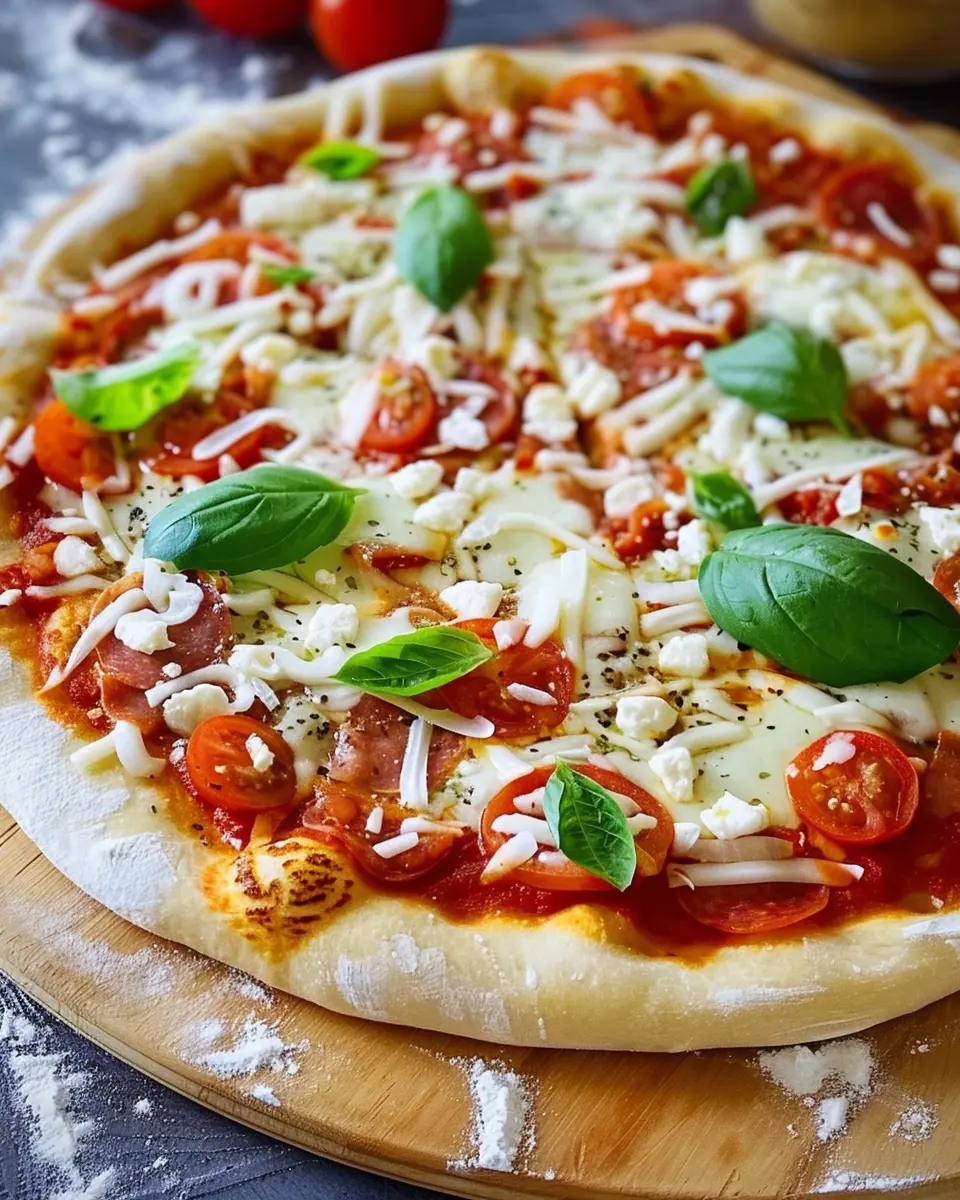
Creating the perfect pizza is all about the toppings! Here are some delightful combinations to inspire your pizza dough recipe masterpiece:
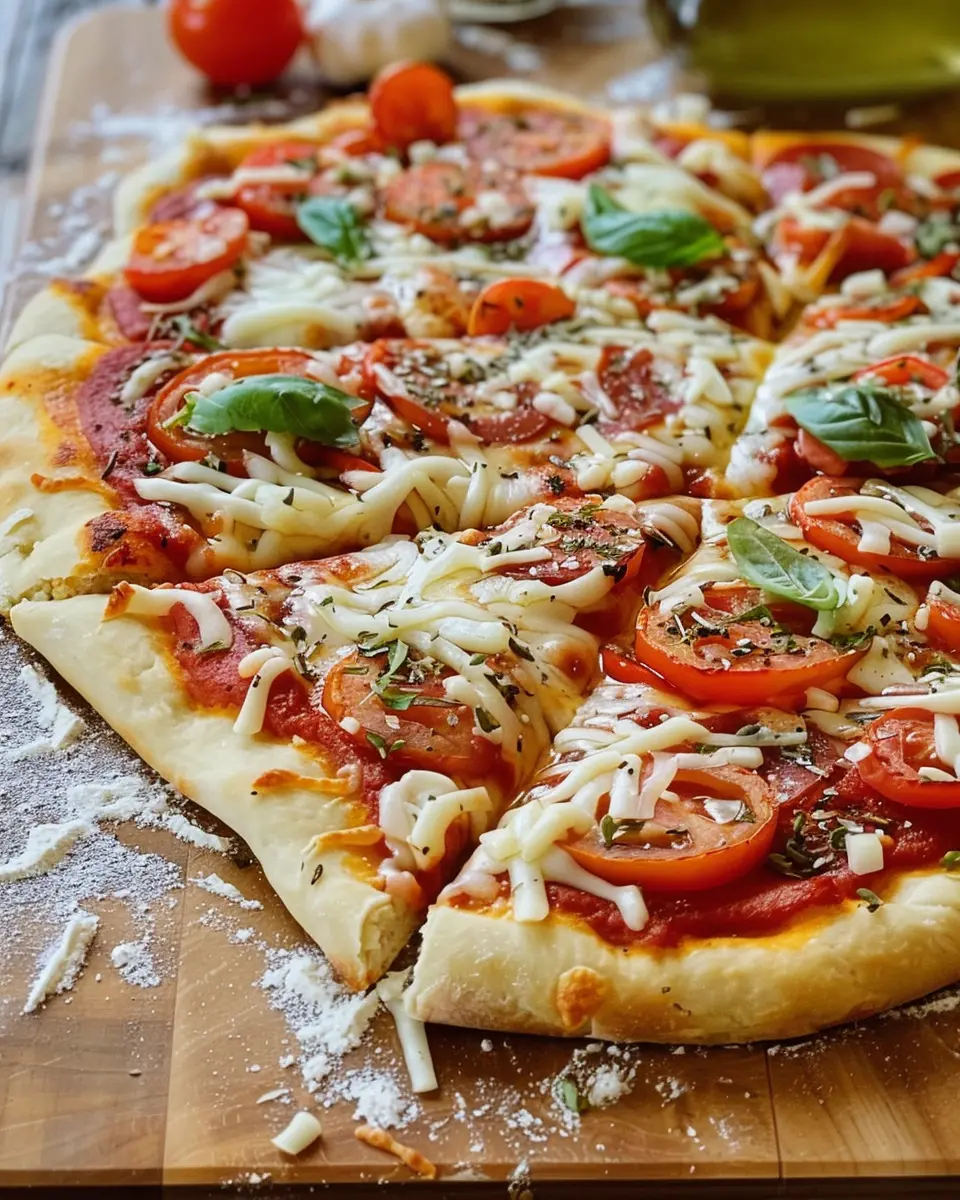
- Classic Margherita: Fresh mozzarella, basil, and a drizzle of olive oil
- BBQ Chicken: Grilled chicken ham, red onions, and cilantro on a BBQ sauce base
- Veggie Delight: Bell peppers, red onions, olives, and artichokes for a colorful crunch
- Turkey Bacon Ranch: Crispy turkey bacon with ranch dressing and green onions
Mix and match these flavors or create your unique spin — the possibilities are limitless!
Sharing Your Pizza Creations with Friends
Nothing brings people together like a homemade pizza party! Invite your friends over for an interactive night where everyone tops their own pizza dough recipe creations. Set up a ‘toppings bar’ with diverse ingredients to encourage creativity. Pair your pizza with refreshing sparkling water or flavored sodas for a festive touch.
Sharing those delicious slices makes for memories that last far longer than a takeout pizza ever could. What toppings would you love to try? There’s no right answer — just fun and great company!
For more inspiration, check out Serious Eats for expert pizza tips!
Time Breakdown for Pizza Dough
Creating the perfect pizza starts with a well-timed pizza dough recipe. Let’s break down the timeline so you know exactly what to expect.
Preparation Time
First up, you’ll spend about 15-20 minutes whipping together your ingredients. That includes measuring out flour, yeast, salt, and water. You’ll also want a few moments for mixing and kneading until the dough is smooth and elastic.
Resting Time
After that, allow the dough to rest for at least 1-2 hours. This is crucial for developing flavor and texture as the yeast works its magic—transforming simple ingredients into a light, airy dough.
Total Time
In total, you’re looking at approximately 1.5 to 2.5 hours, depending on how long you let it rise. This timeline gives you just enough time to prep your favorite toppings—like Turkey Bacon or Chicken Ham—while you wait!
For additional tips on timing, check out Serious Eats for expert advice on dough fermentation.
Now that you’re all set, roll up your sleeves and get ready to create pizza perfection!
Nutritional Facts for Pizza Dough
Understanding the nutritional profile of your pizza dough recipe can help you make better choices for your meal planning. Here’s a quick overview of the key nutrients found in a standard serving (about 1/4 of a pizza made from your dough).
Calories
On average, a serving of pizza dough contains around 100-150 calories. This can vary based on how thick or thin you roll it out. If you’re counting calories, consider your toppings, as they significantly impact the total count.
Carbohydrates
Pizza dough is primarily made up of carbohydrates, with about 20-25 grams per serving. These carbs provide essential energy, making your pizza a great option for a post-workout meal.
Protein
For those looking to boost their protein intake, pizza dough isn’t your best bet, containing approximately 3-5 grams of protein per serving. To up the protein game, think about adding toppings like chicken ham or Turkey bacon.
For a deeper dive into nutritional information, check out resources like the USDA or NutritionData. Understanding these facts not only helps you enjoy your pizza better but can also inspire creativity in your cooking!
FAQs about Pizza Dough
Creating the perfect pizza starts with an excellent pizza dough recipe. If you have questions about handling your dough, you’re not alone! Here are some common queries that might help you on your pizza-making journey.
Can I freeze pizza dough?
Absolutely! Freezing pizza dough is a fantastic way to ensure you always have some on hand. After the dough has risen, divide it into individual portions, wrap each tightly in plastic wrap, and place them in an airtight container or freezer bag. When you’re ready to use it, simply thaw the dough in the refrigerator overnight. For more tips on freezing dough, check out Serious Eats’ guide.
How can I make my dough rise faster?
If you’re eager for your pizza dough recipe to rise, try these methods:
- Warm environment: Place your dough in a warm spot, like the oven (turned off) with the light on.
- Add a bit of sugar: This can help activate the yeast, speeding up the rising process.
- Use warm water: When mixing your ingredients, use warm water (not hot) to encourage fermentation.
Remember, patience is key, but a little heat can go a long way!
What do I do if my dough is too sticky?
If your dough feels like it’s more of a sticky mess than a ball of joy, don’t panic. Here’s how to fix it:
- Flour it up: Gently sprinkle flour on your work surface and on the dough. Keep kneading until it becomes manageable.
- Avoid adding too much flour: Start with small amounts; you want it to be elastic but not dry.
- Chill it: If all else fails, pop the dough in the fridge for about 30 minutes. Cooling can make it easier to handle.
Getting your pizza dough recipe just right can take a little practice, but each attempt brings you closer to the perfect pie!
Conclusion on Homemade Pizza Dough
The joy of making your pizza from scratch
Creating your own pizza dough at home is not just about the end product; it’s about the entire experience. There’s something incredibly satisfying about mixing flour, water, and yeast, then watching it transform into a supple dough. With this simple pizza dough recipe, you have the freedom to customize your pizza to match your preferences and dietary needs.
Imagine gathering friends or family for a pizza night where everyone gets to craft their perfect pies; it’s a fantastic way to bond and share delicious moments. Plus, when you pull that golden crust out of the oven, it’s a reminder of your hard work and creativity. So, roll up those sleeves, get your hands floury, and enjoy this homemade journey! For more ideas on toppings and techniques, explore resources like Serious Eats or The Kitchn.
PrintPizza Dough Recipe: The Best Homemade Dough for Perfect Pizzas

The perfect homemade dough for your pizzas.
- Prep Time: 15 minutes
- Cook Time: 15-20 minutes
- Total Time: 1 hour 30 minutes
- Yield: 2 pizza crusts
- Category: Baking
- Method: Baking
- Cuisine: Italian
- Diet: Vegetarian
Ingredients
- 4 cups all-purpose flour
- 1 teaspoon salt
- 1 tablespoon sugar
- 1 packet active dry yeast
- 1 1/2 cups warm water
- 2 tablespoons olive oil
Instructions
- In a small bowl, dissolve the sugar and yeast in warm water. Let it sit for 5 minutes until frothy.
- In a large bowl, combine flour and salt. Make a well in the center and add the yeast mixture and olive oil.
- Mix until a sticky dough forms, then knead on a floured surface for about 10 minutes until smooth.
- Place the dough in a greased bowl, cover it, and let it rise in a warm place for about 1 hour or until doubled in size.
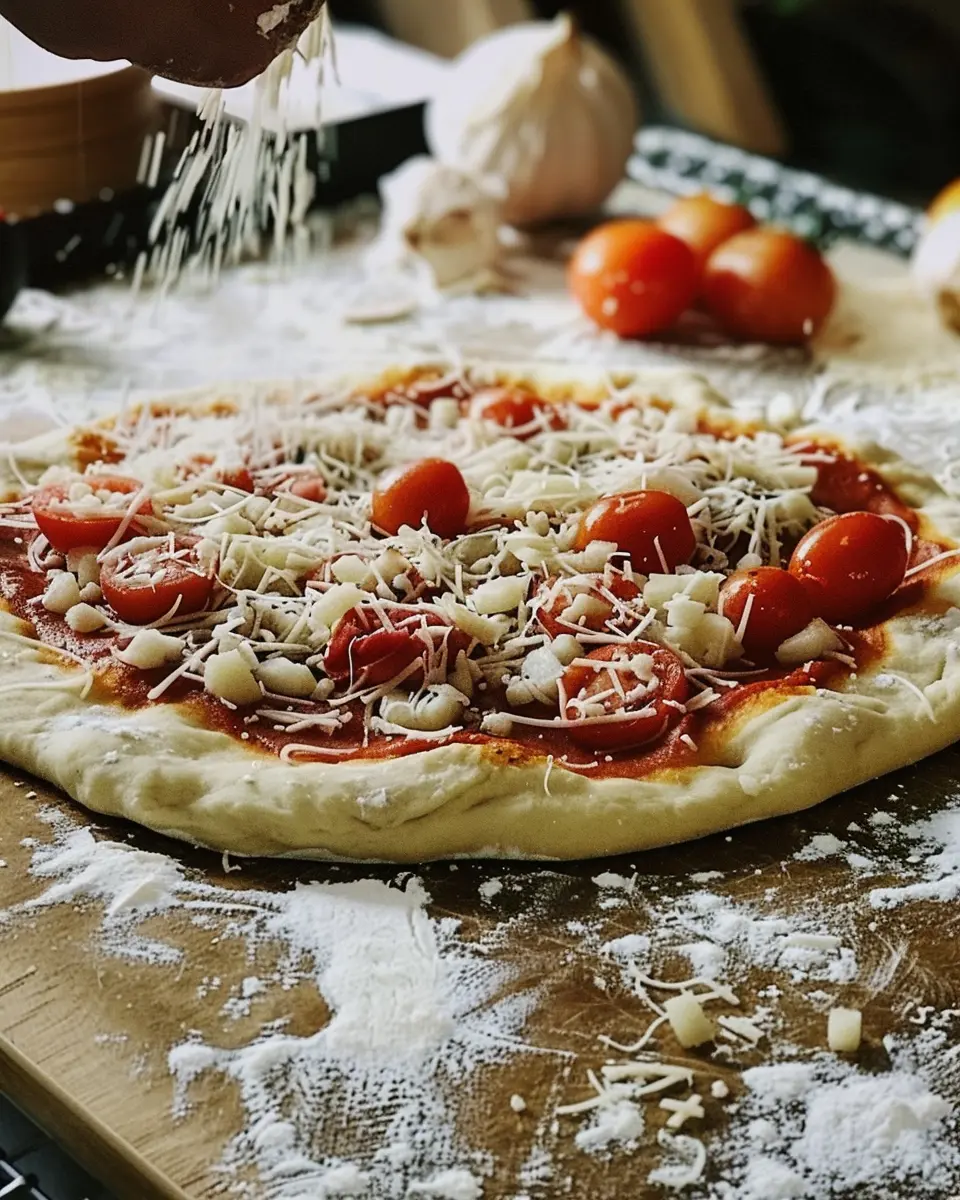
- After rising, punch down the dough and roll it out on a floured surface, ready for your favorite toppings.
Notes
- For a crispier crust, preheat your pizza stone in the oven.
- Let the dough rest longer for better flavor.
Nutrition
- Serving Size: 1 pizza slice
- Calories: 200
- Sugar: 1g
- Sodium: 200mg
- Fat: 7g
- Saturated Fat: 1g
- Unsaturated Fat: 5g
- Trans Fat: 0g
- Carbohydrates: 30g
- Fiber: 1g
- Protein: 5g
- Cholesterol: 0mg