Introduction to Homemade Ramen
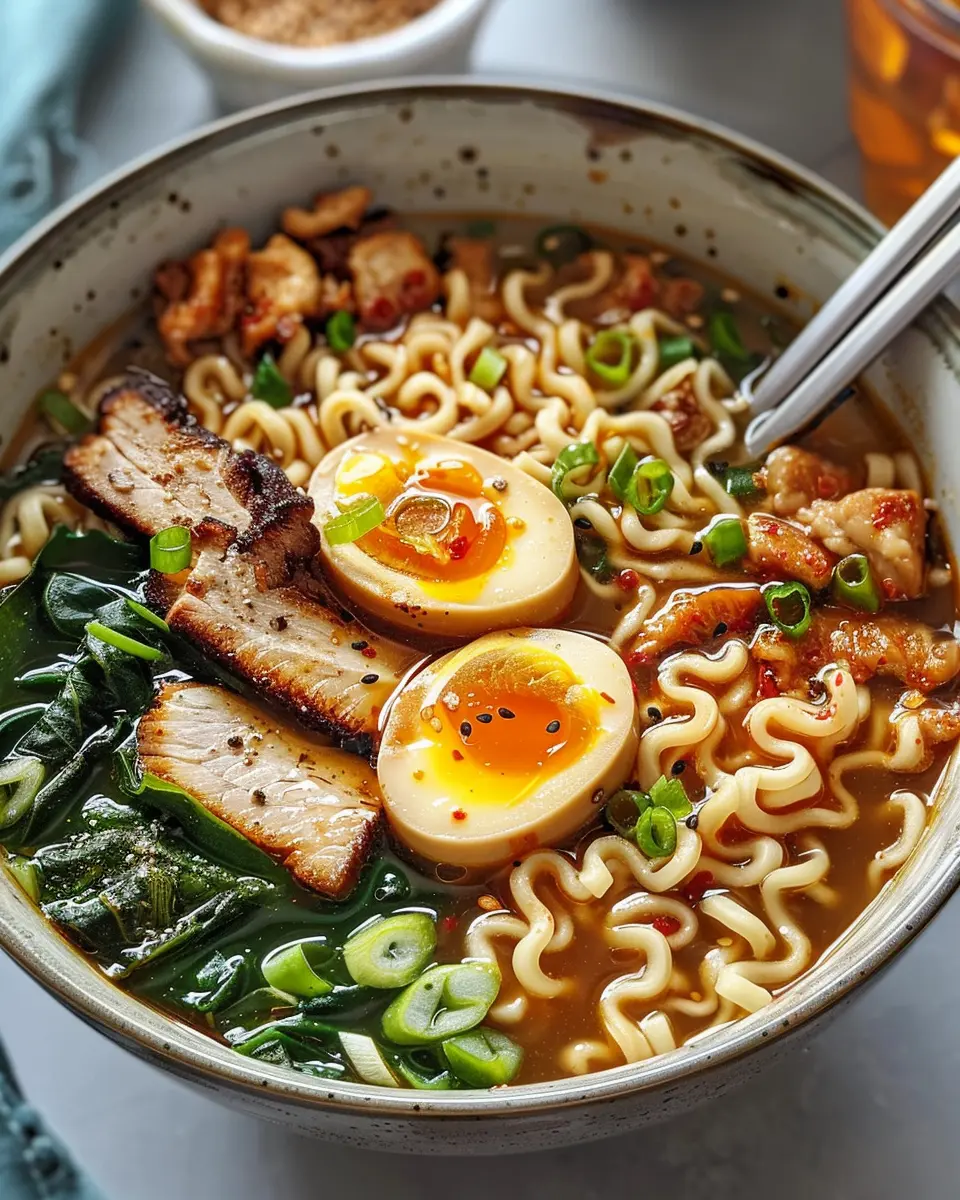
If you’ve ever slurped down a steaming bowl of ramen from your favorite noodle shop, you know it’s not just a meal; it’s an experience. Now, imagine being able to recreate that experience in the comfort of your own kitchen. Homemade ramen is not just delicious; it’s the ultimate comfort food that allows for creativity and personalization.
Why is Homemade Ramen the Ultimate Comfort Food?
Let’s face it: life can be hectic. When you’re caught in the whirlwind of deadlines and commitments, comfort food is a sanctuary. And what better way to find comfort than with a delightful bowl of homemade ramen? Not only do you get to enjoy the rich, savory broth and tender noodles, but you also have control over the ingredients.
-
Customization Options: Want extra veggies? Toss them in. Craving a spicy kick? A sprinkle of chili flakes does the trick. With homemade ramen, the possibilities are endless. You can choose between rich beef broth or a lighter chicken stock, or even go vegan with a vegetable base.
-
Healthier Choices: By making ramen at home, you can swap out high-calorie additives for healthier alternatives. Ever thought about replacing traditional pork with lean turkey bacon or chicken ham? You can keep your meal flavorful while maintaining a balanced diet. Plus, preparing your own meals is often healthier than takeout options.
-
Stress Relief: Cooking can be therapeutic, and making ramen is no exception. The process of simmering the broth, boiling the noodles, and arranging toppings is not only gratifying but allows your mind to unwind. According to a study by the American Journal of Lifestyle Medicine, cooking can have significant stress-relieving benefits.
-
Worth the Effort: Yes, it might require some time and planning, but the end result—a fragrant, flavorful bowl of ramen—is oh-so-rewarding. Plus, it’s a dish that’s perfect for impressing friends, family, or even that special someone.
Ultimately, homemade ramen is more than just a meal; it’s an adventure waiting to happen in your kitchen. As you dive into each savory bite, you’re not just nourishing your body; you’re creating a comforting moment to savor and enjoy. So, grab your apron and let’s get cooking!
Ingredients for Homemade Ramen
Creating homemade ramen can be a delightful adventure in your kitchen. Let’s break down the essentials to elevate your bowl of noodles.
Essential ingredients for a delicious broth
The broth is the heart of your ramen, so it’s vital to use quality ingredients. Start with:
- Beef bones or chicken bones: These add deep flavors. You can roast them for an extra umami kick.
- Soy sauce and miso paste: These ingredients bring in that traditional salty depth.
- Ginger and garlic: They add warmth and aromatic zest.
- Green onions: Not only do they enhance the flavor, but they also contribute a fresh, bright color to your broth.
Toppings that elevate your ramen experience
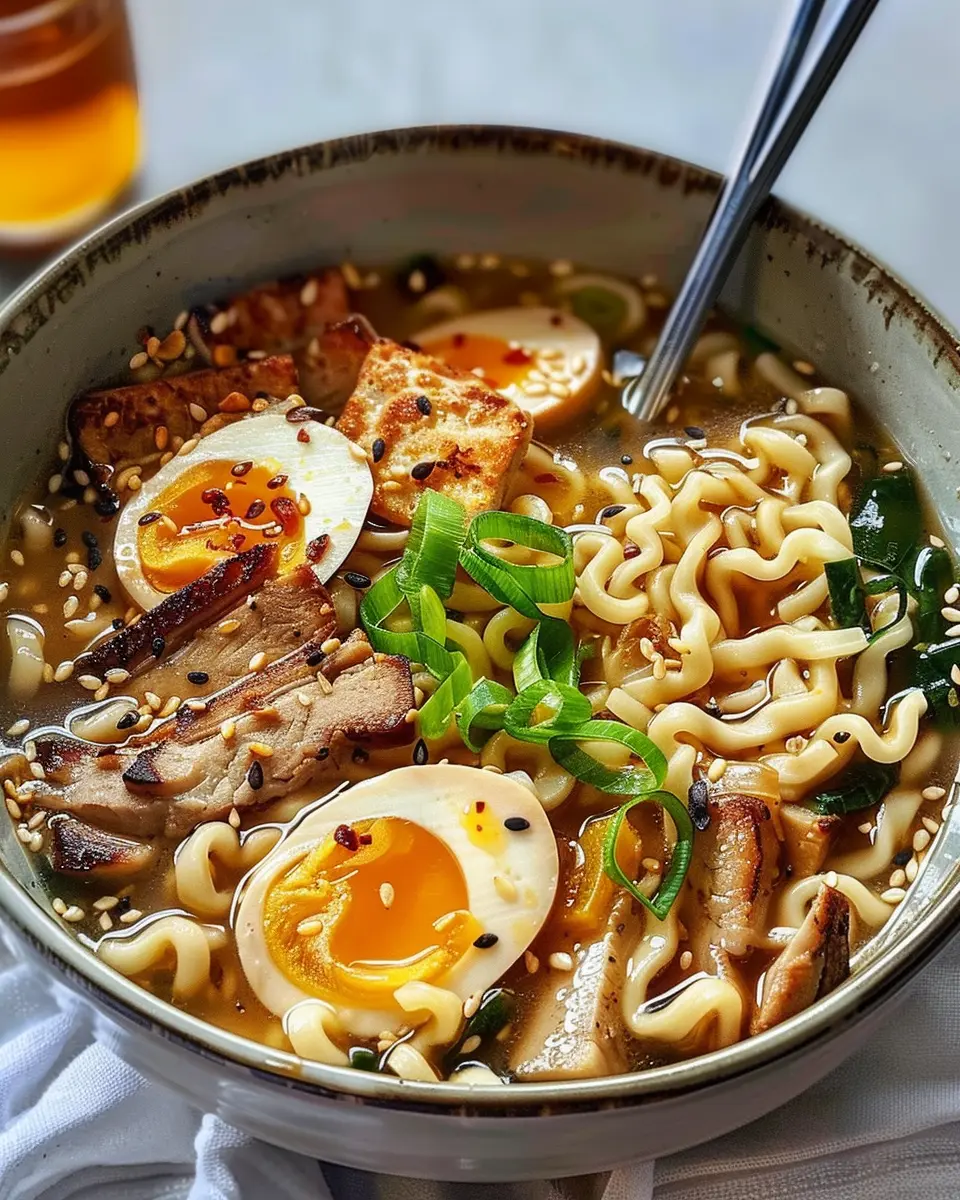
Now, let’s talk toppings. These little gems will take your homemade ramen from good to unforgettable:
- Turkey bacon: Perfect for a smoky, meaty contrast without getting too heavy.
- Chicken ham: Adds a satisfying protein that complements the broth.
- Soft-boiled eggs: A creamy yolk adds richness to every bite.
- Nori sheets: These lend a hint of ocean flavor and are visually appealing.
- Fresh veggies: Think bok choy or bean sprouts for a delightful crunch.
Crafting your homemade ramen doesn’t just fill you up; it’s an exciting culinary experience, inviting you to experiment and customize your flavors. Happy cooking!
For more inspiration, check out Serious Eats’ guide on ramen or Noodle Network’s ramen tips. Enjoy your flavorful journey!
Preparing Homemade Ramen
Making homemade ramen from scratch can feel like a culinary adventure – one that brings flavors and aromas right into your kitchen. With a few careful steps, you can create a delicious and hearty meal that rivals your favorite ramen shop. Let’s dive into the preparation process, focusing on the key elements that will ensure your homemade creation is a hit.
Sautéing the mushrooms
To start off, let’s bring out those umami flavors by sautéing the mushrooms. Use a mix of shiitake and cremini mushrooms for depth.
- Ingredients:
- 1 cup sliced mushrooms
- 1 tablespoon vegetable oil
- Salt and pepper to taste
In a pan over medium heat, add the vegetable oil, and once it’s shimmering, throw in your mushrooms. Sauté them for about 5-7 minutes until they are golden brown and have released their moisture. Season with a pinch of salt and pepper to enhance their natural flavors. This step not only enriches your dish but also saturates your kitchen with a mouth-watering aroma that sets the stage for the homemade ramen experience.
Preparing the chicken for maximum flavor
Next up is the chicken – the heart of any great ramen dish. You want to ensure that your chicken is juicy and packed with flavor. A simple yet effective method involves marinating the chicken.
- Ingredients:
- 2 chicken breasts (or thighs for more flavor)
- 2 tablespoons soy sauce
- 1 tablespoon sesame oil
- 1 tablespoon ginger, minced
Combine the soy sauce, sesame oil, and ginger in a bowl, and immerse the chicken in this marinade for at least 30 minutes. After marinating, cook the chicken in a skillet over medium heat for about 6-7 minutes on each side or until fully cooked. Not only does marinating intensify the flavor, but it also helps keep the chicken tender. When you slice it for your bowl, it will be packed with deliciousness.
Creating the rich broth
The broth is what truly elevates your homemade ramen. You want it rich, flavorful, and comforting.
- Ingredients:
- 4 cups chicken stock (homemade or store-bought)
- 1 tablespoon miso paste
- 1 tablespoon soy sauce
- 1 piece of kombu (dried sea kelp)
In a large pot, pour in the chicken stock and add the kombu. Heat on low to infuse the flavors for about 15 minutes. After that, stir in the miso paste and soy sauce, simmering for an additional 10 minutes for a well-rounded flavor. This broth will serve as the cozy base for your homemade ramen and is where magic happens. If you want to dive deeper into broth variations, check out the detailed guide by Serious Eats.
Cooking the ramen noodles
While your broth simmers away, it’s time to cook the ramen noodles. You have a couple of options here: store-bought fresh ramen noodles or instant noodles. If you’re feeling ambitious, you can even try making your own noodles from scratch!
- Instructions:
- Bring a pot of water to a boil.
- Add ramen noodles and cook according to package instructions (typically 3-4 minutes).
- Drain and set aside.
Cooking the noodles separately ensures they maintain their perfect texture and don’t become soggy when mixed with the broth.
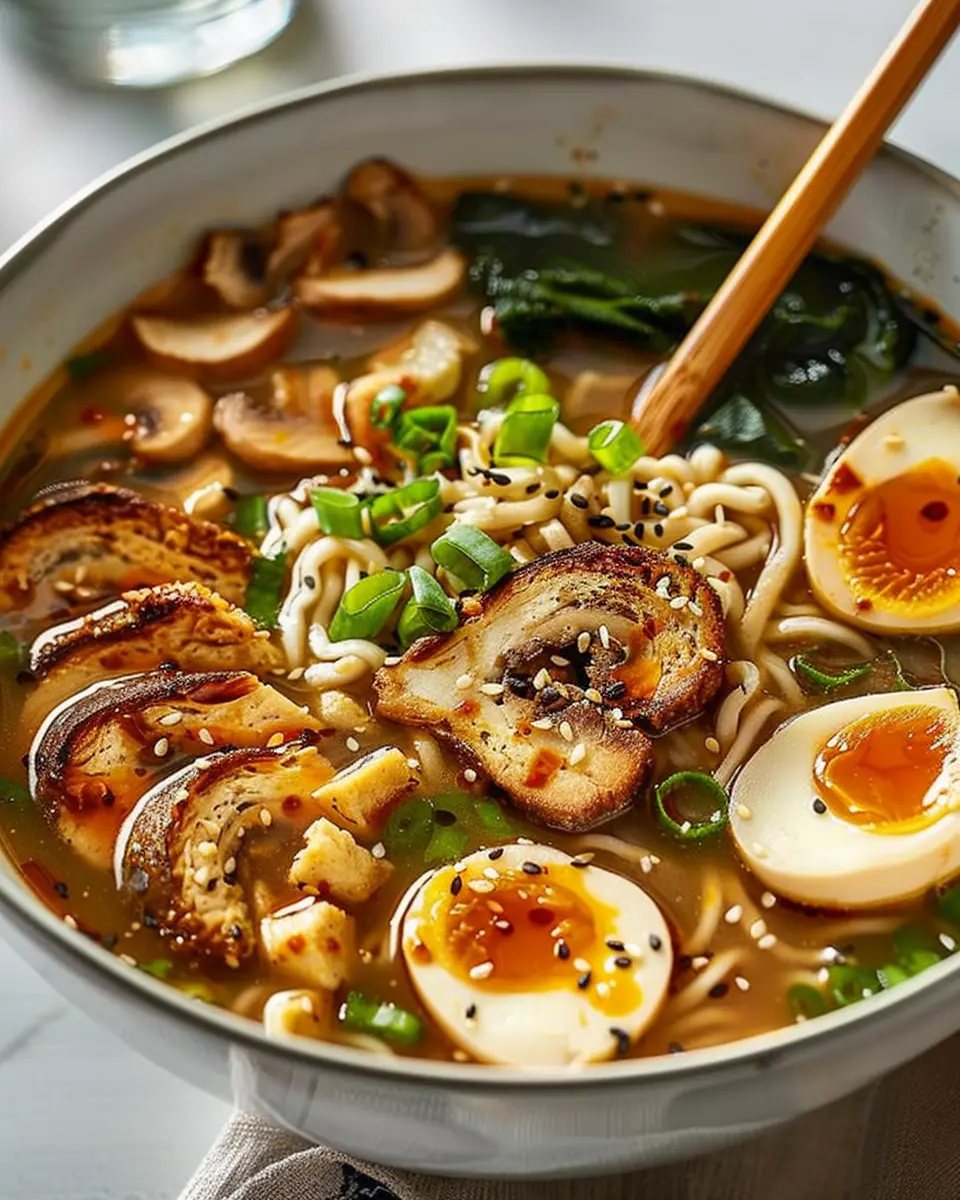
Assembling your bowl of ramen
Now comes the fun part – assembling your homemade ramen! Start with a ladle-full of the rich broth in your bowl.
- Toppings:
- Sautéed mushrooms
- Sliced chicken
- Soft-boiled egg (cook an egg for about 6-7 minutes for that perfect runny yolk)
- Chopped green onions
- Nori sheets
Layer your cooked noodles in the broth, then elegantly arrange the toppings on top. Finish it off with a sprinkle of sesame seeds or chili oil for a touch of heat. Each bite should deliver a delightful mix of flavors and textures, from the creamy egg to the tender chicken and earthy mushrooms.
With these steps, you’ve transformed simple ingredients into a beautiful bowl of homemade ramen that you can proudly enjoy. So why not give it a try? You might just find a new favorite dish!
Variations on Homemade Ramen
Creating your own homemade ramen is a delicious adventure that can be tailored to suit any palate. Let’s explore a couple of fun variations that can take your bowl to the next level!
Vegetarian Ramen Options
Just because you’re skipping the meat doesn’t mean you have to skimp on flavor. Vegetarian ramen can be just as rich and satisfying. Consider using:
- Mushroom broth as your base for that deep, umami flavor.
- Tofu or tempeh for protein—marinating these in soy sauce before grilling can add a delightful texture and taste.
- Seasonal vegetables, like bok choy or kale, not only boost the nutrition but also add beautiful color to your bowl.
- For extra creaminess, a splash of coconut milk can transform your broth into a velvety delight!
If you’re looking for inspiration, check out Serious Eats’ guide on vegetarian ramen for more ideas.
Adding Spices for a Unique Twist
Do you crave something a little different? Elevate your homemade ramen with the right spices! Here are some suggestions:
- Chili oil or Sriracha for those who enjoy some heat.
- Adding miso paste can provide a robust depth of flavor; just be cautious with the quantity, as it can be quite potent.
- A sprinkle of nori flakes or sesame seeds can add a wonderful contrast to your dish.
Ever tried a dash of lemon or lime juice at the end? This can brighten the whole experience! Embrace creativity in your kitchen and make your ramen uniquely yours.
With these variations, your homemade ramen will never tire! So grab your chopsticks and enjoy the process of making this delightful dish your own.
Cooking Tips and Notes for Homemade Ramen
Tips for Achieving the Perfect Soft-Boiled Egg
Making the perfect soft-boiled egg can elevate your homemade ramen to new heights. Here’s how to nail it:
- Timing is Key: Aim for a cook time of exactly 6-7 minutes. Too long and you’ll end up with a hard yolk; too short, and your egg might be unsafe to eat.
- Ice Bath: Immediately transfer the eggs into an ice bath after boiling to halt the cooking process. This also makes peeling much easier!
- Freshness Matters: Use the freshest eggs you can find. Older eggs peel much more easily due to the pH changes in the egg whites.
Common Mistakes to Avoid
Even seasoned cooks can stumble when it comes to homemade ramen. Here are some common pitfalls to steer clear of:
- Overcooking the Noodles: Ramen noodles only need a few minutes to cook. Keeping them al dente will ensure they hold up in the broth.
- Neglecting Flavor Layers: Don’t skimp on the broth. Utilize stock from chicken or beef bones, simmering it for hours to develop a rich, deep flavor profile.
- Forgetting Toppings: Toppings like turkey bacon, scallions, or bok choy can really enhance the dish. Adding fresh components helps balance the richness of your broth.
For more tips on perfecting your ramen, check out Serious Eats or Bon Appétit. These sources can provide in-depth insights and techniques that will enhance your cooking experience.

Serving Suggestions for Homemade Ramen
Transforming your homemade ramen into a memorable experience is all about the right garnishes and sides. Here’s how you can elevate your dish!
Creative garnishes to try
Garnishing might seem minor, but it can make a huge difference! Here are some delicious options:
- Soft-boiled eggs: The creamy yolk adds richness and makes for a beautiful presentation.
- Chopped scallions: Fresh and vibrant, they introduce a mild onion flavor.
- Nori sheets: These seaweed strips add a lovely umami touch and a pop of color.
- Sesame seeds: Sprinkle them on for a delightful crunch and nutty flavor.
- Turkey bacon or Chicken ham: Slice these up for a savory twist that complements your broth beautifully.
Explore other creative ideas, like pickled vegetables or chili oil, to personalize your bowl!
Side dishes that pair well with ramen
Complement your homemade ramen with some delightful side dishes. Here are a few that work wonderfully together:
- Gyoza: These pan-fried dumplings are the perfect addition, offering a crispy texture.
- Edamame: Simply steamed and sprinkled with salt, these are a healthy and satisfying snack.
- Seaweed salad: A light and refreshing counterpoint to the rich broth.
- Miso soup: A savory starter to enhance the overall Japanese experience.
Trying any of these complementary dishes will not only enhance your meal but also impress your guests. For more inspiration, check out Japanese Cuisine for traditional pairings!
Time Breakdown for Homemade Ramen
When it comes to making homemade ramen, planning your time is key to a delicious end result. Here’s how it breaks down:
Preparation Time
Getting everything ready takes about 30 minutes. This includes chopping vegetables, measuring ingredients, and prepping your broth essentials. Think of it as your warm-up before the main event.
Cooking Time
The actual cooking is where the magic happens, taking roughly 1 hour. You’ll simmer meats and vegetables while boiling noodles, allowing flavors to meld beautifully.
Total Time
In total, you’re looking at around 1 hour and 30 minutes from start to finish. Investing this time ensures a comforting bowl of homemade ramen that’s worth every second.
For an extra resource, check out this guide on making flavorful broth that can elevate your ramen game!
Nutritional Facts for Homemade Ramen
When crafting your homemade ramen, it’s great to be aware of its nutritional components. Here’s a quick breakdown to help you enjoy your bowl with confidence:
Calories
A typical serving of homemade ramen is around 400 to 600 calories, depending on ingredients. Using fresh veggies and lean meats can help keep this number in check without sacrificing flavor.
Protein
With ingredients like Turkey Bacon or Chicken Ham, your bowl can boast 25–30 grams of protein. Add an egg for an extra boost, making it an excellent post-workout meal or an energizing lunch option.
Sodium
One thing to watch out for is sodium—store-bought broth can pack quite a punch. While a homemade broth usually contains less sodium, you might still find yourself at 700–900 mg per serving. Opt for low-sodium sauces and seasonings to keep it heart-friendly!
For more insights on managing sodium intake, check out resources from the American Heart Association. Incorporating fresh ingredients in your homemade ramen not only makes it delicious but healthier too!
FAQs about Homemade Ramen
Can I use instant ramen noodles for a quick meal?
Absolutely! If you’re in a hurry, instant ramen offers a delightful shortcut to enjoy a quick bowl of homemade ramen. While traditional ramen noodles elevate the dish, instant options can save time and still deliver comfort. Just remember to enhance the flavor by adding your favorite broth and toppings, like fresh vegetables or a soft-boiled egg. For a quick upgrade, consider using miso or soy sauce as a base for the broth—simple tweaks can make a world of difference!
What’s the best way to store leftover ramen?
Storing leftover homemade ramen requires a little finesse to keep those tasty flavors intact. Here’s how to do it:
- Separate components: Store noodles, broth, and toppings separately. This prevents the noodles from becoming soggy.
- Use airtight containers: Keep leftovers in airtight containers and refrigerate. Proper storage can keep them fresh for up to three days.
- Reheat wisely: When ready to enjoy again, reheat the broth separately and then add the noodles back in. This will help maintain the best texture and taste.
How can I customize my broth flavor?
The beauty of making homemade ramen is the creative freedom you have with your broth! Here are some simple ways to infuse your soup with unique flavors:
- Add aromatics: Garlic, ginger, and scallions are great for building a flavor foundation.
- Choose a base: Whether using chicken stock, vegetable broth, or a miso blend, your choice sets the stage. Explore a variety of options here for inspiration.
- Experiment with umami: Incorporate ingredients like soy sauce, mushrooms, or even a splash of fish sauce to amplify the richness.
By customizing your broth, you can continually reinvent your homemade ramen experience, making it a fun and flavorful culinary adventure!
Conclusion on Homemade Ramen
Why making homemade ramen is worth the effort?
Creating homemade ramen may seem daunting at first, but the rewards far exceed the effort. The aroma wafting through your kitchen and the satisfaction of slurping your custom bowl of noodles can’t be matched.
Imagine a steaming bowl filled with rich broth, tender beef, and a variety of fresh toppings like turkey bacon and chicken ham. According to a study by the Food Institute, cooking at home can help save you money while allowing you to control the quality of the ingredients.
So why not give it a shot? It’s a delightful culinary adventure that brings comfort and creativity to your dining table. Feel free to explore more about enhancing your ramen journey through articles on popular cooking sites like Serious Eats or Bon Appétit to continue building your skills!
PrintHomemade Ramen: The Best Comfort Bowl with Turkey Bacon and Chicken Ham

Indulge in a delicious bowl of homemade ramen featuring turkey bacon and chicken ham, perfect for a cozy night in.
- Prep Time: 15 minutes
- Cook Time: 15 minutes
- Total Time: 30 minutes
- Yield: 2 servings
- Category: Soup
- Method: Boiling
- Cuisine: Japanese
- Diet: Gluten-free
Ingredients
- 4 cups chicken broth
- 2 packs ramen noodles
- 4 slices turkey bacon
- 4 ounces chicken ham, diced
- 2 green onions, sliced
- 2 soft-boiled eggs
- 1 tablespoon soy sauce
- 1 teaspoon sesame oil
- 1/2 teaspoon garlic powder
Instructions
- In a large pot, bring the chicken broth to a boil.
- Add the ramen noodles and cook according to package instructions.
- In a separate pan, cook the turkey bacon until crispy, then chop.
- Once the noodles are cooked, drain and add to the broth.
- Add diced chicken ham, soy sauce, sesame oil, and garlic powder to the pot.
- Serve in bowls topped with green onions and soft-boiled eggs.
Notes
- For added flavor, simmer the broth with additional spices.
- Customize toppings with your favorite vegetables.
Nutrition
- Serving Size: 1 bowl
- Calories: 450
- Sugar: 2g
- Sodium: 950mg
- Fat: 22g
- Saturated Fat: 6g
- Unsaturated Fat: 14g
- Trans Fat: 0g
- Carbohydrates: 40g
- Fiber: 2g
- Protein: 25g
- Cholesterol: 180mg