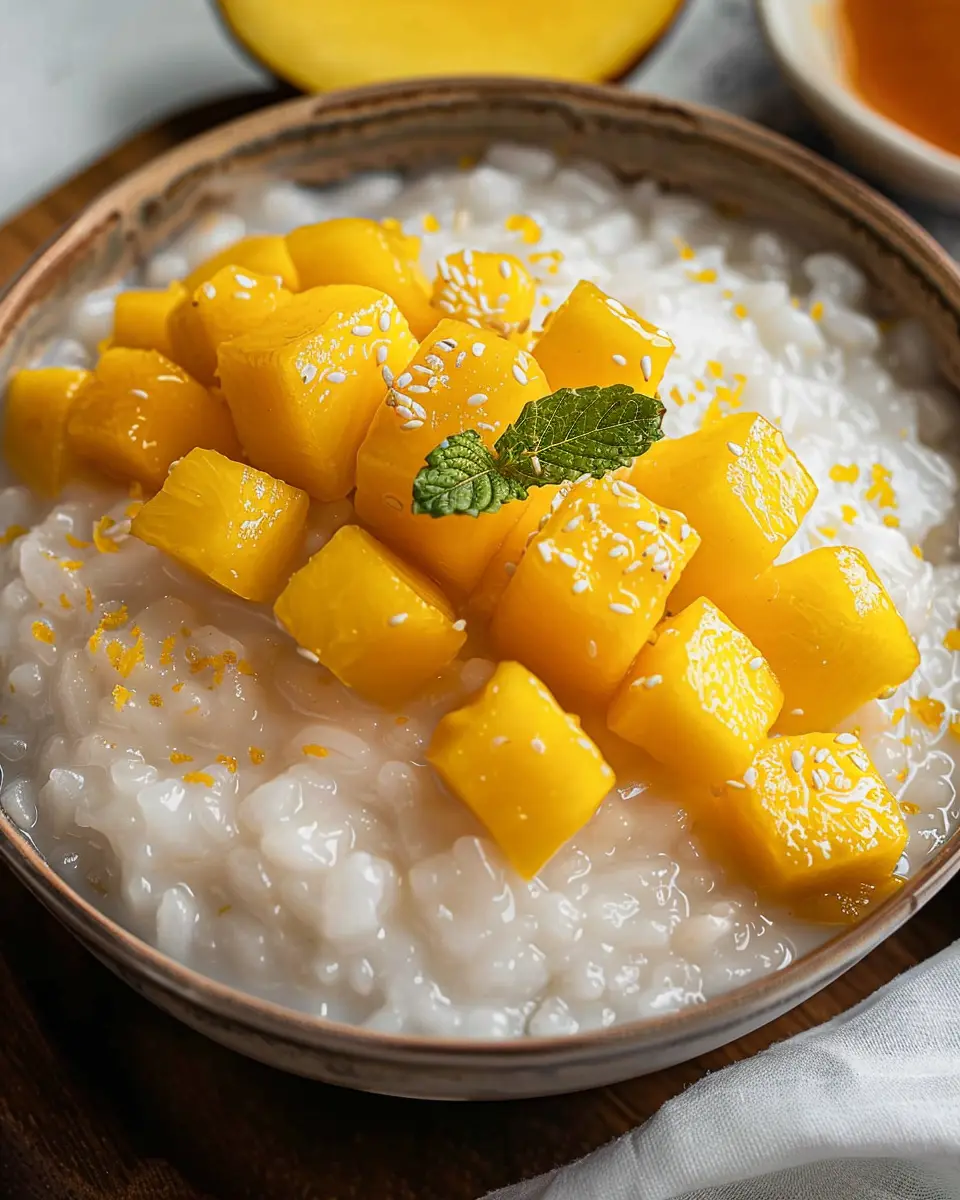
Introduction to Thai Mango Sticky Rice
If you haven’t had the chance to savor Thai mango sticky rice, you’re certainly missing out on a culinary masterpiece. This iconic dessert, known as Khao Niew Mamuang, encapsulates the essence of Thai cuisine – a delightful harmony of flavors and textures. It’s no wonder this dish has become a beloved treat, not just in Thailand, but worldwide.
Why is Thai Mango Sticky Rice a Must-Try Dessert?
The first thing that strikes you about Thai mango sticky rice is its tantalizing presentation. Imagine golden, ripe mango slices arranged beautifully over a bed of glistening sticky rice, drizzled with a rich coconut sauce. This dish is as much a feast for the eyes as it is for the palate.
But the allure doesn’t stop there. The sweet, juicy mango pairs perfectly with the subtly salty coconut milk and the chewy texture of glutinous rice. It’s a symphony of flavors that dances on your tongue, making each bite an experience in itself.
As you dive into this dessert, you might be intrigued to learn that sticky rice is not just a culinary choice; it’s a staple in Thai culture. According to the Thai Rice Department, sticky rice accounts for approximately 70% of rice consumption in northern Thailand. This gives you a glimpse into why many Thai desserts feature it prominently—it’s delicious and culturally significant.
Speaking of cultural significance, did you know that traditional Thai street vendors often serve this dessert? Whether you’re strolling through the bustling markets of Bangkok or enjoying a quiet meal at a local eatery, you’re likely to encounter this beloved dish. It’s a testament to the simplicity of Thai cuisine; great ingredients combined in a way that highlights their natural flavors.
And for those looking to impress friends at a gathering or simply indulge in a moment of sweet bliss, Thai mango sticky rice is easy to whip up at home. Ready to find out how to create this delicious treat? Let’s dive into the recipe and unlock the secrets of this Thai classic! For more insights into authentic Thai desserts, check out resources like Thai Food and Travel or Thai Kitchen for a broader array of delightful recipes.
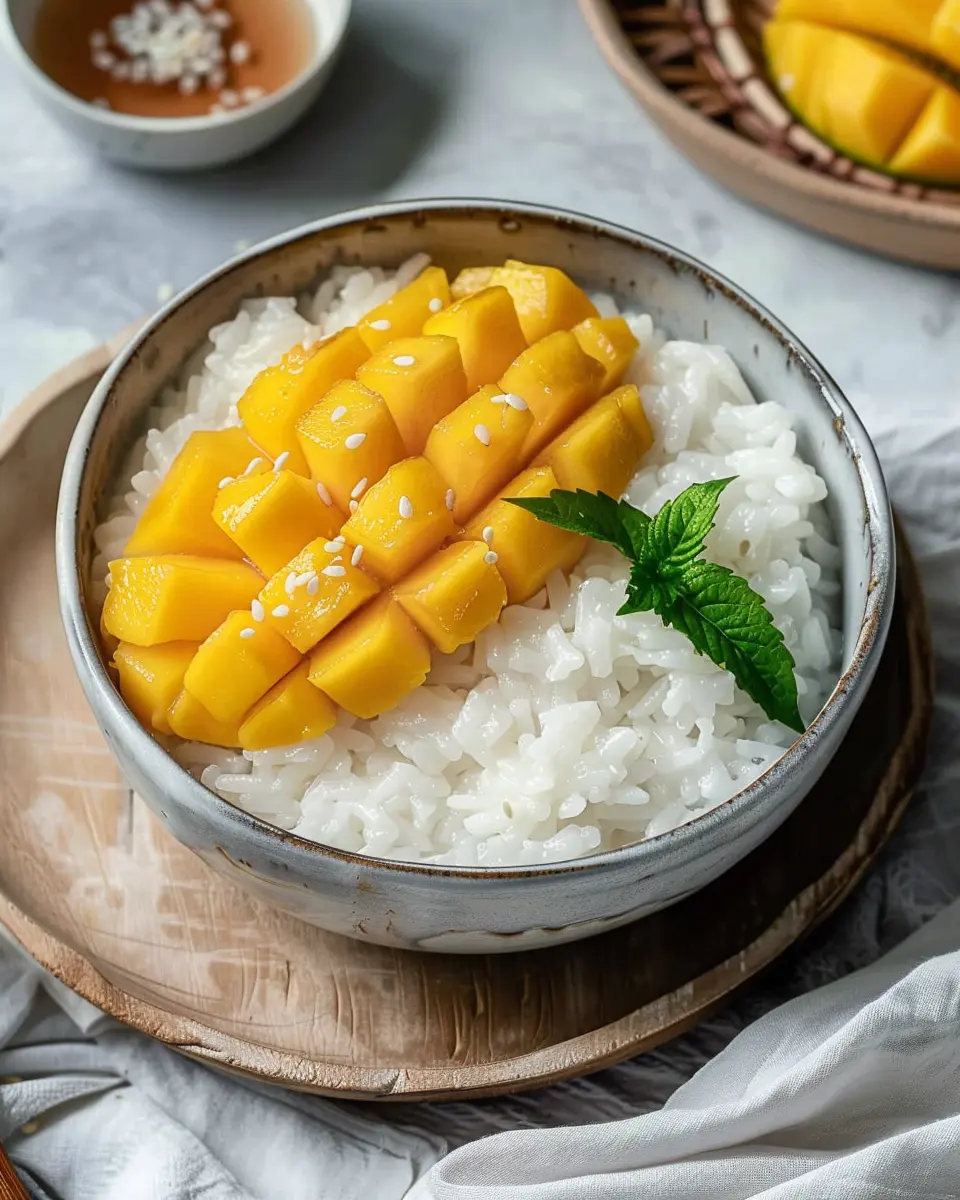
Ingredients for Thai Mango Sticky Rice
Essential Ingredients for the Perfect Dish
Creating the perfect Thai mango sticky rice starts with selecting the right ingredients. Here’s what you’ll need to muster this delicious dessert:
- Sticky Rice: Look for glutinous or sweet rice, which is the foundation of this dish. Soak the rice for at least 4 hours, or overnight for best absorption.
- Coconut Milk: Full-fat coconut milk adds a rich and creamy flavor. Make sure to shake the can well before measuring to incorporate the thicker cream.
- Sugar: Traditional recipes use white sugar, but feel free to experiment with brown sugar for a deeper flavor.
- Salt: A pinch of salt enhances the sweetness of the coconut milk and balances the flavors.
- Mangoes: Choose ripe yet firm mangoes—Haden or Kent varieties work wonders.
- Sesame Seeds or Mung Beans: Optional garnishes that add texture and a nutty flavor, enhancing the overall presentation.
These ingredients come together to create a mesmerizing combination of flavors. If you’re curious about the health benefits of mangoes or the role of coconut in traditional Thai cuisine, check out Healthline. Each bite transports you to a vibrant Thai street market!
Preparing Thai Mango Sticky Rice
Are you ready to immerse yourself in the delightful world of Thai Mango Sticky Rice? This traditional dessert is a beloved dish that beautifully combines sweet, ripe mangoes with creamy coconut sticky rice. Don’t worry if you’re unfamiliar with the process; I’ll guide you through each step to ensure your creation not only looks great but tastes divine.
Rinse the sticky rice
The first step in preparing Thai Mango Sticky Rice involves rinsing your sticky rice. You want to start with high-quality glutinous rice, typically available in Asian grocery stores.
- Measure out about one cup of sticky rice.
- Place the rice in a bowl and cover it with cold water.
- Gently swish it around with your fingers to remove excess surface starch, which can make the rice gummy.
- Drain the rice and repeat the rinsing process a couple of times until the water runs fairly clear.
This simple yet crucial step lays the foundation for the sticky texture you’re aiming for in your final dish.
Soak the rice for the best texture
Now that your rice is rinsed, it’s time to soak it. Soaking enhances the texture of the rice and allows it to absorb water before cooking.
- Cover the rinsed rice with fresh water in a bowl.
- Let it soak for at least 4 hours, or overnight for best results.
Soaking not only softens the grains but also ensures they cook evenly. If you’re in a pinch, soaking for just one hour can work, but the results won’t be as luscious.
Cook the sticky rice to perfection
After soaking, it’s cooking time! You can use a steamer basket or a rice cooker, but using a bamboo steamer is traditional for this recipe.
- Drain the soaked rice and place it in the steamer lined with cheesecloth.
- Steam the rice for about 30-40 minutes, checking occasionally until it becomes tender and translucent.
The goal here is to achieve that delightful, sticky quality that’s so characteristic of Thai Mango Sticky Rice. If you are curious, check out this guide on essential steaming techniques here.
Make the coconut sauce
While the rice is steaming, let’s whip up the heavenly coconut sauce.
- In a saucepan, combine one cup of coconut milk, half a cup of sugar, and a pinch of salt over medium heat.
- Stir until the sugar dissolves, but don’t let it boil.
This rich sauce will make your dessert irresistibly creamy. Remember, the balance of sweetness and saltiness is key, so don’t skip the salt! For variations, consider adding pandan leaf or a few tablespoons of coconut cream for added richness.
Combine the rice and sauce
Once the rice is perfectly cooked, it’s time to meld the flavors together.
- Remove the rice from the steamer and transfer it to a large bowl.
- Pour about half of the coconut sauce over the hot rice and gently mix together. Allow it to sit for about 20-30 minutes to absorb the flavors—this waiting time will enhance the Thai Mango Sticky Rice experience.
The remaining sauce can be saved for drizzling over the finished dish.
Prepare the mango for serving
As your rice is cooling and soaking up that delicious coconut flavor, let’s get the mango ready!
- Choose ripe, sweet mangoes.
- Peel and slice them into thin, elegant strips.
Arrange the mango slices next to the sticky rice on a serving plate, and drizzle the remaining coconut sauce over the top. A sprinkle of toasted sesame seeds or mung beans can add a nice crunch—just a suggestion!
And there you have it! Your Thai Mango Sticky Rice is now ready to delight your tastebuds or impress your guests. This dish not only captures the essence of Thai dessert perfection but also the joy of sharing a delicious, homemade treat. Enjoy!
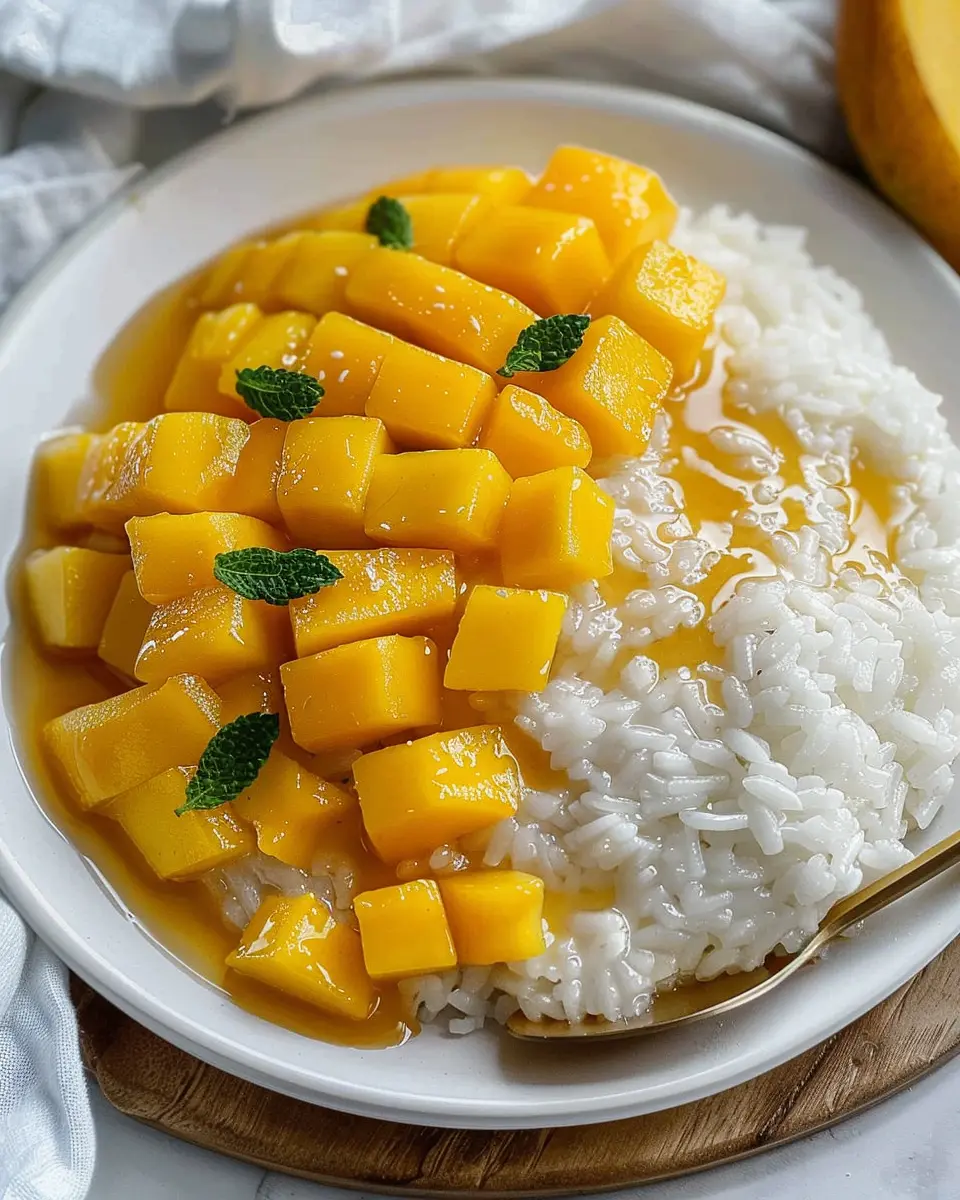
Variations on Thai Mango Sticky Rice
Let’s explore delightful twists on the classic Thai mango sticky rice that are sure to tantalize your taste buds. These variations can elevate your dish to new heights, making it perfect for any occasion.
Coconut Lime Sticky Rice Variation
One of the easiest ways to add a refreshing twist to your Thai mango sticky rice is by infusing the sticky rice with coconut and lime. To achieve this, simply replace part of the coconut milk with freshly squeezed lime juice and zest. This zesty addition not only brightens the flavor but also balances the sweetness of the mango. Here’s how to do it:
- Cook your sticky rice as usual.
- As you prepare the coconut milk mixture, add 2-3 tablespoons of lime juice and the zest of one lime.
- Stir well and let it soak into the rice before serving with mango slices.
If you’re looking for other delicious coconut recipes, check out Bon Appétit’s coconut recipes for more inspiration.
Add-Ins for a Twist: Nuts and Seeds
To enhance the texture and add a bit of crunch to your Thai mango sticky rice, consider sprinkling on some chopped nuts or seeds. Here are some options:
- Toasted sesame seeds: They bring a nutty flavor that complements the dish beautifully.
- Chopped cashews or peanuts: Adding a handful of these not only boosts protein but also contributes a satisfying crunch.
Imagine digging into a bowl of Thai mango sticky rice, where the creaminess of the coconut rice meets the vibrant freshness of mango, accented by the delightful textures of nuts. It’s a crowd-pleaser!
Try these variations, and you might find a new favorite way to enjoy this classic dessert.
Cooking Tips and Notes for Thai Mango Sticky Rice
Tips for Achieving the Ideal Consistency
Perfecting Thai mango sticky rice relies heavily on the right consistency. Aim for a creamy texture that’s not too dry or overly runny. Here’s how:
- Soak the rice: Soak the glutinous rice for at least 4 hours or overnight. This helps it absorb water and cook evenly.
- Cook with care: Use a bamboo steamer or a rice cooker to steam the soaked rice. This method keeps the grains intact and fluffy.
- Preparation of coconut sauce: Combine coconut milk, sugar, and a pinch of salt. Heat gently and pour over the rice when it’s still warm, allowing it to soak in.
Notes on Ingredient Quality
The flavors in Thai mango sticky rice shine through quality ingredients. When selecting:
- Coconut milk: Use full-fat coconut milk for creaminess. Brands like Aroy-D are excellent choices for authentic flavor.
- Sticky rice: Choose high-quality glutinous rice. Look for brands labeled specifically for dessert use, ensuring you get that perfect chewiness.
For more tips on ingredient selection, feel free to check out Serious Eats. Your Thai mango sticky rice will be the talk of the town!
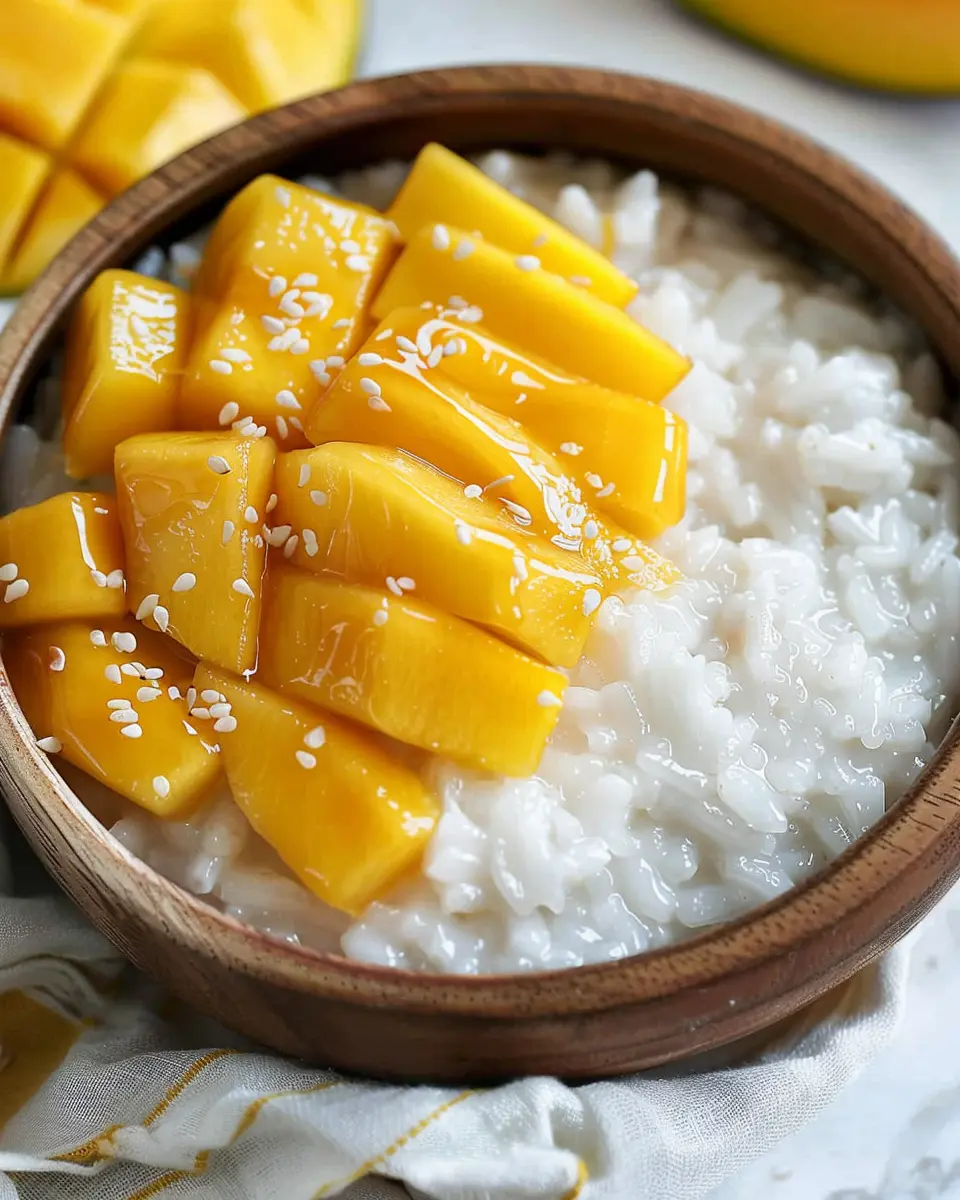
Serving suggestions for Thai Mango Sticky Rice
Creative plating ideas
Presenting your Thai mango sticky rice can be as delightful as eating it! Consider using a shallow bowl or a square plate to create layers; arrange mango slices artistically over the sticky rice, drizzling coconut sauce on top for a luscious finish. For a pop of color, sprinkle with toasted sesame seeds or shredded coconut. You could also serve the dish in a halved coconut for a tropical twist that will impress your guests. After all, a dish that looks good is always more appetizing!
Perfect pairings for your dessert
While Thai mango sticky rice is delicious on its own, pairing it with other treats can elevate your dessert experience. Think about coconut ice cream or sorbet, which harmonizes beautifully with the flavors. You might also consider a tangy tropical fruit salad alongside it to balance out the richness. Feeling adventurous? Serve with a cup of jasmine tea or a refreshing herbal drink to cleanse the palate. These additions not only enhance the meal but also reflect the vibrant culinary traditions found in Thailand. For more inspiration on Thai desserts, check out the extensive resources at Serious Eats.
By thoughtfully considering your plating and pairings, you can create an experience that’s just as memorable as the taste of Thai mango sticky rice. Enjoy!
Time breakdown for Thai Mango Sticky Rice
Preparation time
The prep work for Thai mango sticky rice is a breeze and takes about 30 minutes. You’ll want to soak the sticky rice in water to achieve the perfect texture, so factor that in as you plan your cooking day.
Cooking time
Once your rice is ready, the actual cooking time is roughly 25 minutes. During this time, you’ll be creating that delicious coconut sauce that truly brings the dish to life.
Total time
In total, you’re looking at about 55 minutes from start to finish. Perfect for a weeknight dessert or an impressive dish to share with friends. Ready to dive into this delightful treat? Check out some tips and techniques from experts at Serious Eats to enhance your dish!
Nutritional Facts for Thai Mango Sticky Rice
Calories and Serving Size
A typical serving of Thai Mango Sticky Rice (about 1 cup) contains roughly 300 calories. This indulgent dessert is made primarily of glutinous rice, fresh mango, and coconut milk, which contributes to its calorie count while also providing a delightful creamy texture. If you’re considering this treat as part of your meal plan, it’s ideal to enjoy it in moderation, especially if you’re mindful of your overall daily calorie intake.
Sugar Content and Dietary Considerations
One of the critical aspects of Thai Mango Sticky Rice is its sugar content, which can vary based on how much coconut milk and sugar you add. On average, you might find around 15-20 grams of sugar per serving. If you’re watching your sugar intake, consider using less sugar or a natural sweetener to enjoy this classic dessert without compromising your dietary goals.
For those following specific diets — like vegan or gluten-free — Thai Mango Sticky Rice is naturally inclusive, making it a great choice for almost everyone. Just be sure to check the labels of your coconut milk and any added ingredients to ensure they align with your dietary preferences.
If you’re curious about more health-focused alternatives and modifications, check out resources like Healthline or the USDA. They provide insightful data on nutrition that can help you tailor recipes to fit your lifestyle.
FAQs about Thai Mango Sticky Rice
When you’re about to indulge in the delectable delights of Thai Mango Sticky Rice, you might have a few questions swirling in your mind. Let’s clear up some common FAQs to make your cooking experience as smooth as possible!
Can I make this dessert ahead of time?
Absolutely! Thai Mango Sticky Rice can be prepared ahead of time, making it a fantastic option for parties and gatherings. Just prepare the sticky rice and the coconut sauce, then store them separately. When you’re ready to serve, slice up some fresh mango and drizzle with the sauce for that fresh, vibrant presentation.
What can I substitute for sticky rice?
If you find yourself in a pinch without sticky rice, don’t fret! While traditional sticky rice is essential for that authentic texture, you can try using short-grain rice as a substitute. Results may vary, so keep in mind that the taste and consistency might differ slightly from the classic version. For a fun twist, some people even use quinoa!
How do I store leftover Thai Mango Sticky Rice?
Storing your Thai Mango Sticky Rice is a breeze! Place any leftovers in an airtight container. You can keep the sticky rice and the coconut sauce separate to maintain freshness. Generally, it stays good in the fridge for about 2-3 days. When you’re ready to enjoy it again, you can reheat the rice gently in the microwave or on the stove, adding a splash of water if it seems a bit dry.
By addressing these FAQs, we hope to make your cooking journey with Thai Mango Sticky Rice both enjoyable and fulfilling! For more tips and techniques, consider checking out resources like Serious Eats for culinary inspiration.
Conclusion on Thai Mango Sticky Rice
Why You Should Try Making It at Home
Creating your own Thai mango sticky rice is not just a culinary adventure; it’s also a delightful experience that connects you to Thai culture. This dish is surprisingly simple to whip up, requiring just a handful of ingredients that you can find at any Asian grocery store or online.
Imagine the satisfaction of enjoying perfectly cooked sticky rice paired with sweet, ripe mango and luscious coconut sauce—all crafted by your own hands! Plus, making it at home allows you to customize the sweetness and flavors to suit your taste.
For an in-depth look at Thai cuisine, you can check out resources like the Thai Culinary Academy for tips and variations. Embrace the joy of cooking and treat yourself to this tropical delight!
PrintThai Mango Sticky Rice: The Best Easy Dessert You’ll Adore
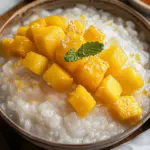
Thai Mango Sticky Rice is a delightful dessert that combines sweet mango with creamy coconut sticky rice. It is both easy to make and utterly delicious, making it a favorite among dessert lovers.
- Prep Time: 15 minutes
- Cook Time: 30 minutes
- Total Time: 4 hours 45 minutes
- Yield: 4 servings
- Category: Dessert
- Method: Steaming
- Cuisine: Thai
- Diet: Vegetarian
Ingredients
- 1 cup glutinous rice
- 1 1/2 cups coconut milk
- 3/4 cup sugar
- 1/4 teaspoon salt
- 2 ripe mangoes
- 1 tablespoon sesame seeds (optional)
Instructions
- Rinse and soak glutinous rice for at least 4 hours or overnight.
- Steam the soaked rice for about 30 minutes until cooked and soft.
- In a saucepan, heat coconut milk, sugar, and salt until dissolved.
- Reserve some coconut milk for drizzling later, then mix the remaining with the cooked rice.
- Let the rice sit for 30 minutes to absorb the coconut milk.
- Slice the ripe mangoes and serve them alongside the sticky rice.
- Drizzle with reserved coconut milk and sprinkle with sesame seeds if desired.
Notes
- For added flavor, try infusing the coconut milk with pandan leaves.
- This dessert is best served warm or at room temperature.
Nutrition
- Serving Size: 1 serving
- Calories: 290
- Sugar: 17g
- Sodium: 150mg
- Fat: 13g
- Saturated Fat: 11g
- Unsaturated Fat: 2g
- Trans Fat: 0g
- Carbohydrates: 39g
- Fiber: 1g
- Protein: 4g
- Cholesterol: 0mg